
Lighting as a positioning tool
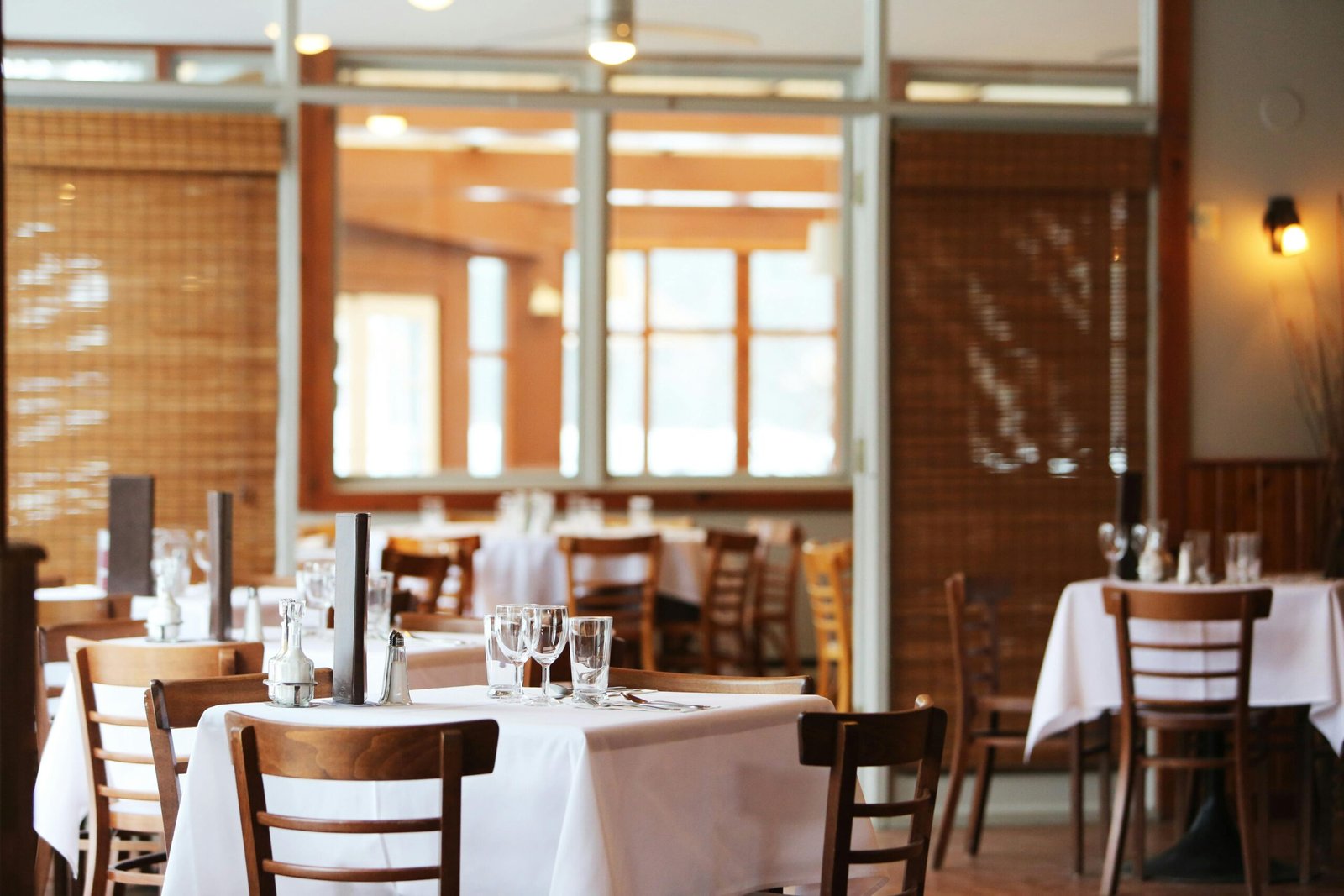
A gastronomic restaurant, a Belgian brasserie and a coffee shop do not share the same lighting, and that is not merely an aesthetic question. The illuminance level, colour temperature and direction of sources directly influence customer behaviour: length of meal, price perception, desire to return.
Studies in environmental psychology show that darker, warmer lighting encourages customers to stay longer and spend more. Bright, cool lighting accelerates table turnover. These effects are real and exploitable, provided the lighting is consistent with the venue's pricing position and concept.

Illuminance levels by establishment type
- Gastronomic and bistronomic : 50-100 lux in the dining room, strong table accent (150-200 lux locally), very dimmed atmosphere
- Brasserie and traditional restaurant : 100-200 lux in the dining room, balance between ambiance and menu legibility
- Coffee shop and premium quick service : 200-400 lux, livelier lighting, fast table turnover assumed
- Wine bar and dining cave : 50-80 lux, very warm temperature 2700 K, accent on bottle shelving
Dining room lighting techniques
| Technique | Effect | Application | Recommended CRI |
|---|---|---|---|
| Table accent (directional downlight) | Isolates the table, showcases the dishes | Adjustable spot centred on the table | CRI 90+ |
| Indirect ceiling lighting | Soft light with no visible source | Cornice, niche, hidden LED strip | CRI 80+ |
| Lateral wallwashing | Visually enlarges the dining room | Asymmetric batten at perimeter | CRI 80+ |
| Low pendant over table | Intimacy, conviviality, staging | Pendant at table height, dimmable | CRI 90+ |
| Bar / shelf accent | Product showcasing, depth | Spot or LED strip under shelf | CRI 80+ |
CRI and dish presentation
Colour rendering index is critical in catering. A CRI below 80 degrades the tones of food: meat loses its lustre, vegetables look flat, desserts lose their visual relief. We work systematically with CRI 90 to 95 sources in table zones, so that dishes look as good under the dining room lighting as they do in the kitchen.
Colour temperature and appetite appeal
The 2700-3000 K range is the reference in the restaurant sector. It enhances the warm tones of food (reds, oranges, golds), creates an atmosphere conducive to conviviality and harmonises with the natural materials frequently used in restaurant décor (wood, copper, brass, stone).
Dimming and scenes: adapting ambiance per service
The same restaurant can operate at very different illuminance levels depending on the moment: lunch service, dinner, after-hours, private hire. A programmable light scene system allows switching from one ambiance to another in seconds, without manually adjusting each source.
- Lunch service : higher level, maximum legibility, fast turnover
- Dinner service : reduced level, strong table accent, intimate atmosphere
- Closing / cleaning : full-flux functional lighting for staff
- Night window display : facade and frontage lighting maintained after closing for street visibility

Frequently asked questions
Can restaurant lighting be renovated without closing for several weeks?
In most cases, yes. We plan interventions around weekly closing days or holidays, splitting the project by zone to minimise the impact on trading. Replacing sources in existing housings can be done in a few hours per zone. A more structural project with new wiring requires a longer closure, which we scope precisely in advance.
Does outdoor terrace lighting need to be different?
The terrace must extend the ambiance of the dining room, not break its tone. Outdoor sources are selected with the same colour temperatures as the interior, with the required IP ratings (minimum IP65). Illuminance on the terrace is generally slightly lower to maintain the evening atmosphere, while ensuring sufficient visual comfort to read the menu and see the dishes.
Conclusion
Restaurant lighting is an investment in the customer experience as much as in the identity of the establishment. Well designed, it works constantly for you: it encourages customers to linger, showcases your dishes and reinforces the coherence of your concept. Poorly designed, it contradicts everything else — décor, cuisine, service.
For venues with event spaces, see our page reception hall lighting. For hotels with an integrated restaurant, our page hotel lighting addresses consistency across spaces. To get started, our personalised study is the right format for restaurant projects, or express advice for an initial orientation.