
Hotel lighting: far more than a question of comfort
In hospitality, lighting is a positioning tool. It communicates the standing of the establishment, creates the conditions for a memorable experience and directly influences guest satisfaction — and their online reviews. A dark lobby on arrival, a poorly lit room or a restaurant with no atmosphere are negative signals that guests feel immediately, even without articulating them.
At Rodalight, we approach hotel lighting as a discipline in its own right, with each space having its own functional, emotional and technical requirements.
Zone by zone: very different requirements
| Space | Main challenge | Recommended approach |
|---|---|---|
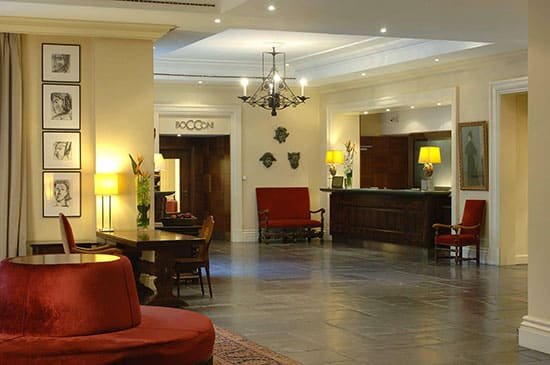
| Lobby / reception | First impression, standing, wayfinding | Architectural lighting + accent on fine materials |
| Guest room | Comfort, intimacy, versatility | Multiple dimmable circuits, warm white 2700 K |
| Restaurant / bar | Ambiance, appetite appeal, atmosphere | Dimmed lighting + table accent |
| Meeting room | Functionality, concentration, flexibility | Modulable lighting 3000-4000 K per use |
| Corridors / common areas | Safety, comfort, aesthetic consistency | Soft indirect lighting, natural wayfinding |
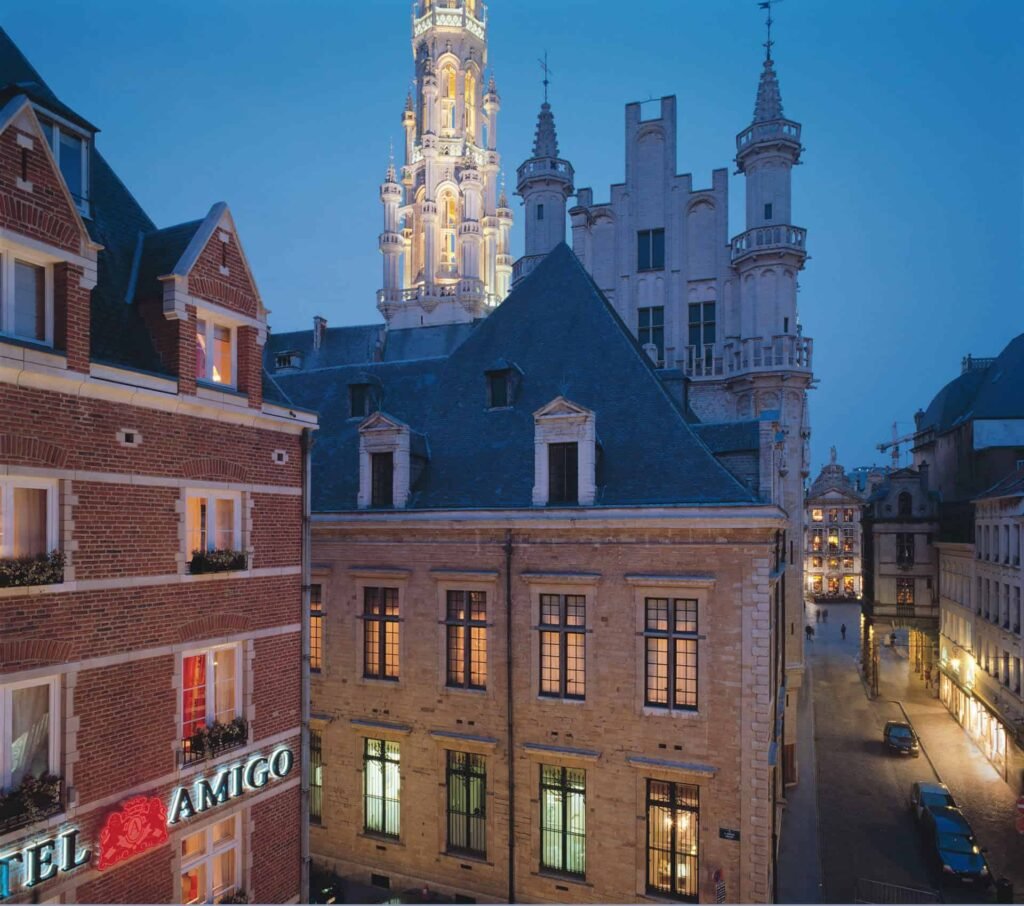
| Facade / exterior | Visibility, attractiveness, night-time identity | Controlled architectural floodlighting |
What distinguishes successful hotel lighting
In a hotel room, the guest must be able to choose their ambiance: bright light to work, soft to relax, dimmed to fall asleep. This requires independent circuits, dimmable sources and a rigorous selection of colour temperatures. Overly cool white in a guest room is one of the most frequent criticisms in guest reviews.
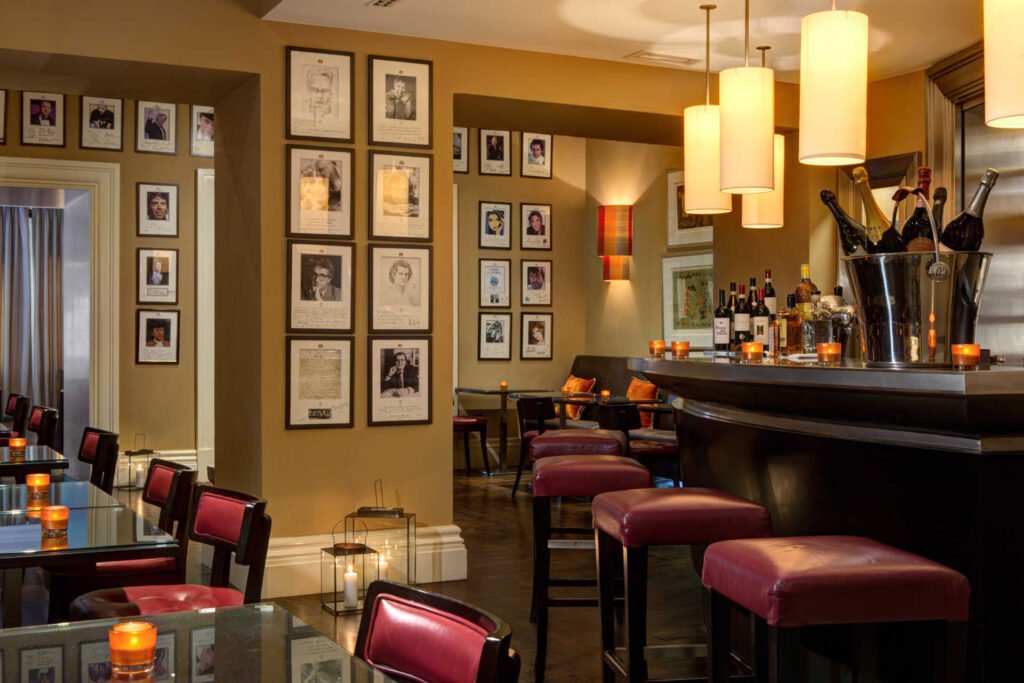
In the restaurant, it is the opposite of a retail environment: the goal is not to see everything clearly, but to create an atmosphere. Lighting must be low enough for intimacy, precise enough to showcase the dishes, and consistent enough that every table receives the same treatment.
In the common areas, consistency is key. Corridors, stairwells and lifts extend the experience between the feature spaces. Soft indirect lighting ensures continuity without visual rupture.
Technical requirements specific to hospitality
- Dimming and light scenes : DALI or KNX systems to programme different atmospheres by time of day, season or use, without manual intervention.
- Durability under intensive use : Hotel LED sources often run 16 hours per day — selecting robust, long-life products is decisive in limiting maintenance call-outs.
- Colour rendering (CRI 90+) : Essential in guest rooms and dining spaces so that fine materials, textiles and dishes appear at their best.
- Architectural integration : Hotel lighting is absorbed into the architecture — recessed, indirect, invisible — so that only the result is perceived by the guest.
- BMS compatibility : In establishments equipped with a centralised building management system, lighting solutions must integrate without friction.
Our approach for hotel projects
A hotel lighting project is a long-term commitment. It involves multiple stakeholders — interior designer, electrician, main contractor — and must be considered well before partitions and suspended ceilings are closed.
Rodalight intervenes from the design phase to:
- analyse each space and its specific uses;
- define the atmospheres and illuminance levels by zone;
- select fittings suited to the establishment's positioning;
- coordinate with the other trades for friction-free integration;
- supply the equipment and provide follow-up through to installation.
For a project already underway or a partial renovation, a targeted intervention can deliver significant improvements: modernising a lobby, enhancing guest room comfort or lifting the restaurant ambiance.
Maintenance and long-term management
A well-designed hotel lighting installation is straightforward to manage:
- Long-life LED sources (50,000 h+) : for zones in continuous operation — common areas, facade, illuminated signage.
- Programmable dimmable systems : to automate ambiance changes without daily manual intervention.
- Installation documentation : our personalised study includes a technical file that facilitates future maintenance or extension works.
Conclusion
In hospitality, lighting is not a cost line — it is an investment in the guest experience and the reputation of the establishment. A lobby that impresses, a room that restores, a restaurant that invites: every space deserves a lighting response commensurate with your positioning.
Our pages restaurant lighting and reception hall complement this hospitality approach. To get started, our personalised study is the right format for hotel projects, or express advice for an initial orientation.