The specific challenge of a duplex: unifying without uniformising
In a duplex, the temptation is to treat each room independently, as in a standard flat. This is a mistake that produces an incoherent result: colour temperatures shifting from one level to the next, illuminance levels in sharp contrast, an atmosphere that fragments the moment you go up or down the stairs.
Our approach starts from the whole. We first define the chromatic palette and overall illuminance levels, then adapt each space to its specific uses, keeping visual coherence as the guiding thread. The result is a home that reads as a single entity, even across two levels.
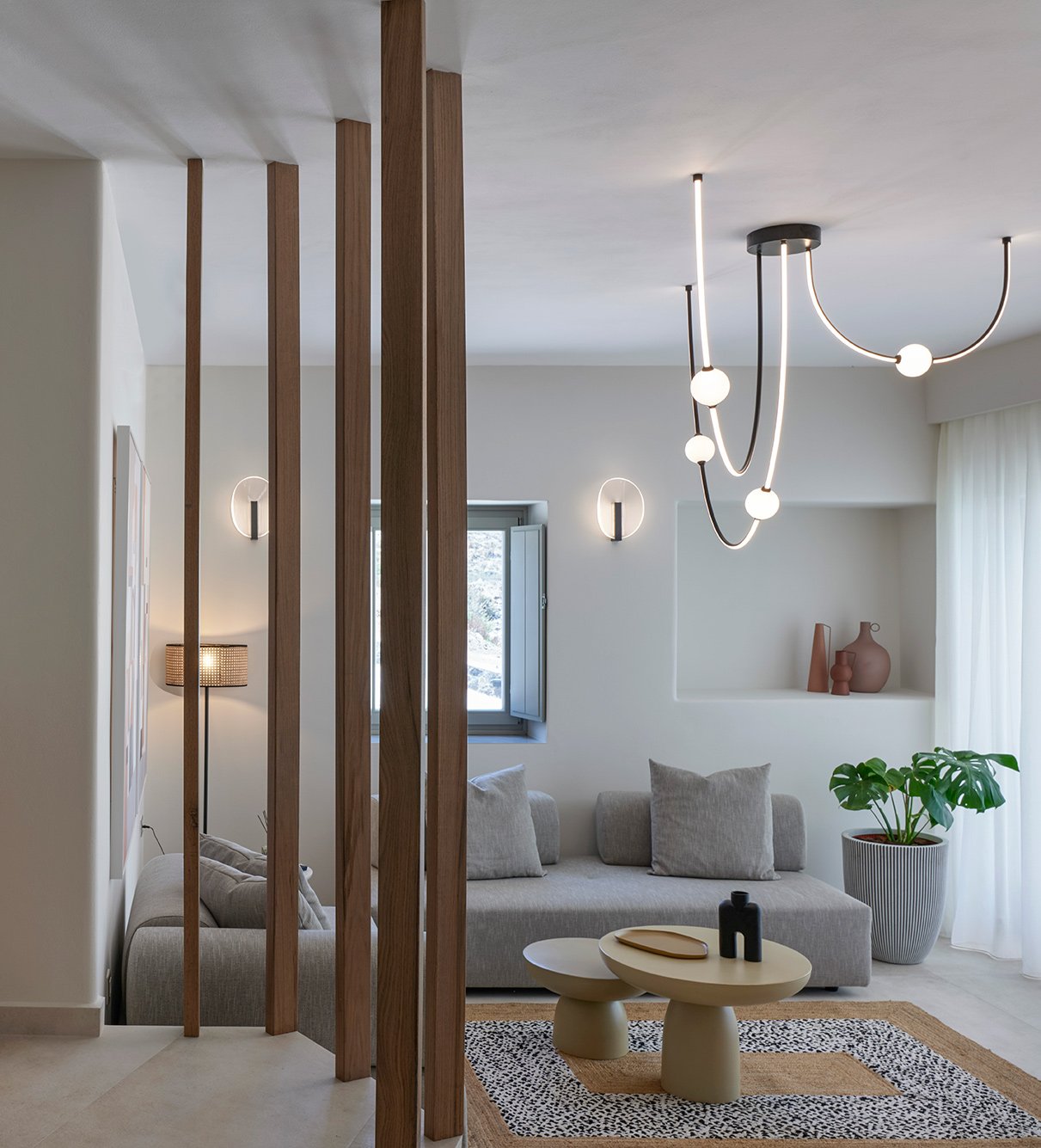
Double-height volumes: a space that demands a precise response
Double-height spaces are the most complex to light in a duplex. Too much light up high crushes the volume. Too little leaves the ceiling in darkness and diminishes the sense of grandeur the architecture was designed to create. Effective solutions generally combine several approaches.
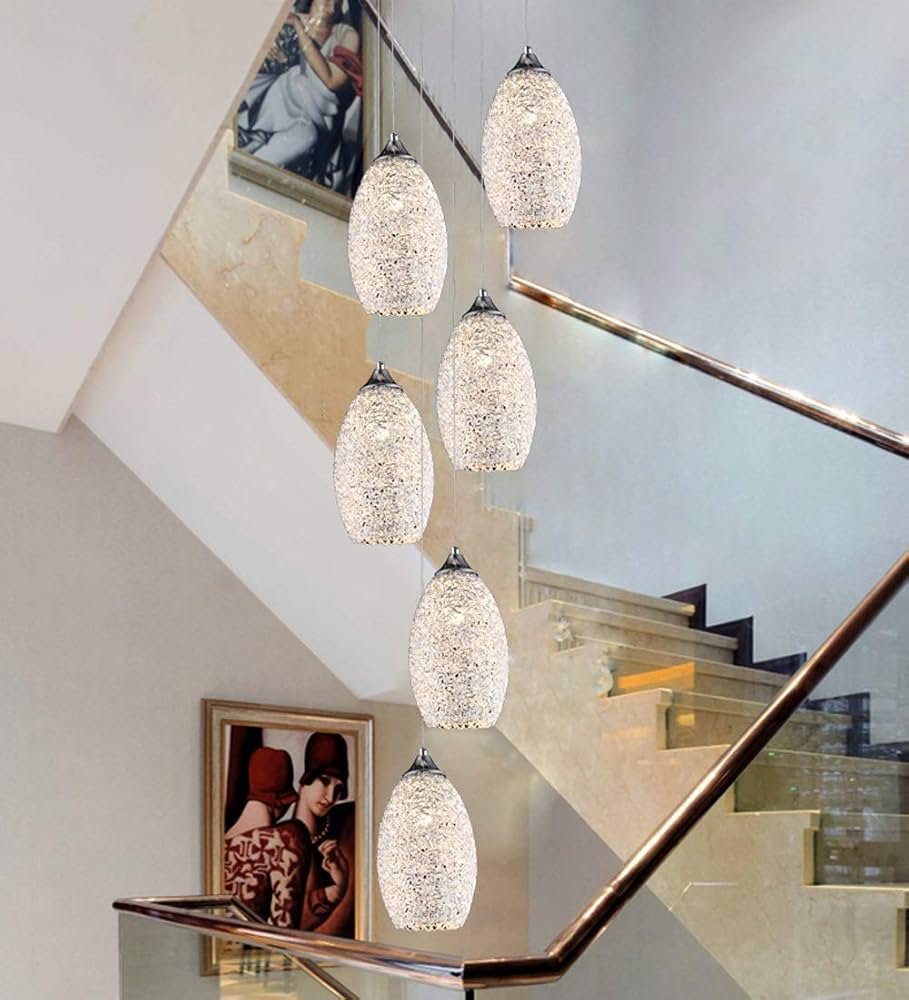
- Low-hung pendant: fixture dropped to living height, creating a light plane without erasing the volume above
- High recessed spotlights: adjustable, to illuminate walls and materials without glare
- Indirect cove lighting: a concealed LED strip that traces the perimeter of the high ceiling and adds depth
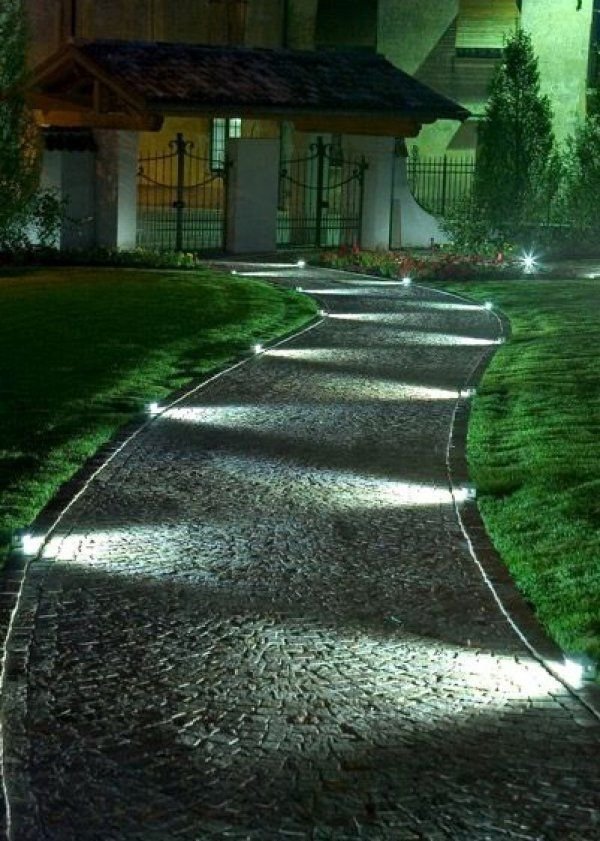
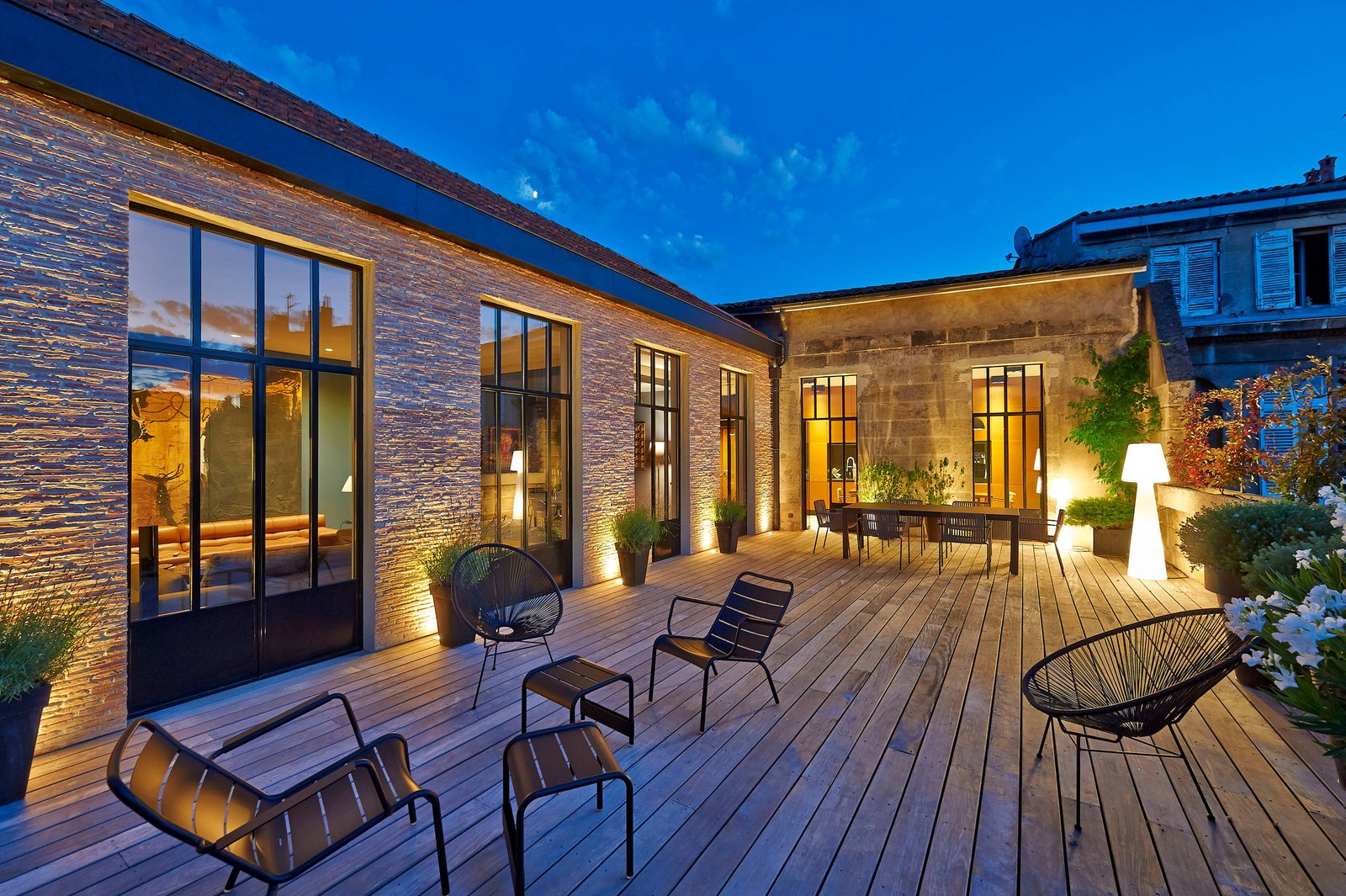
- Material accentuation: Grazing on a concrete, stone, or timber surface to reveal texture at height
Room-by-room treatment
| Space | Primary challenge | Colour temperature | Recommended control |
|---|---|---|---|
| Double-height living room | Volume, atmosphere, versatility | 2700–3000 K | Multiple dimmable circuits |
| Staircase | Safety, visual continuity, staging | 2700–3000 K | Detection or night-time dimming |
| Mezzanine and study | Functionality, focus | 3000–4000 K | Independent dimmable circuit |
| Kitchen | Worktop function, conviviality | 3000–4000 K (worktop), 2700 K (island) | Separate worktop and ambient circuits |
| Bedroom | Intimacy, comfort, wind-down | 2700 K | Dimming, bedside control |
| Bathroom | Mirror rendering, functional brightness | 3000 K | CRI 90+, IP44 wet zone |
The staircase: visual link and safety requirement
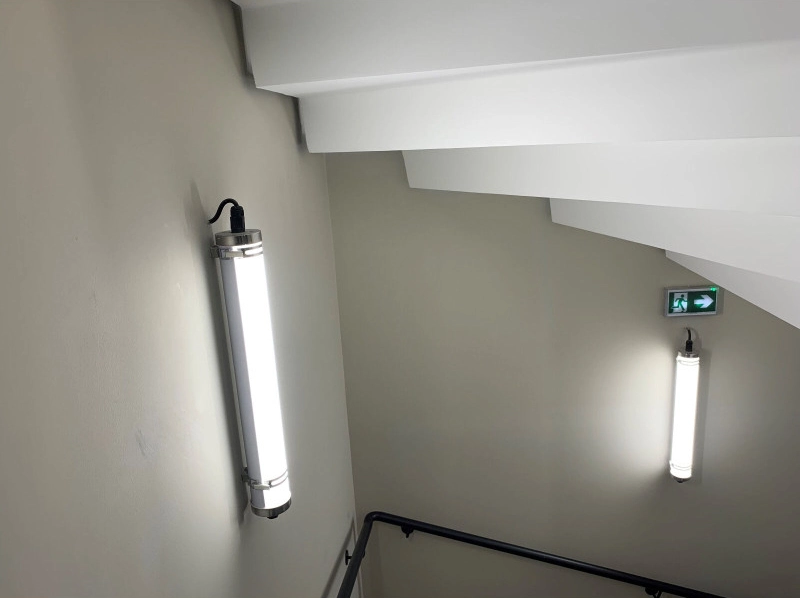
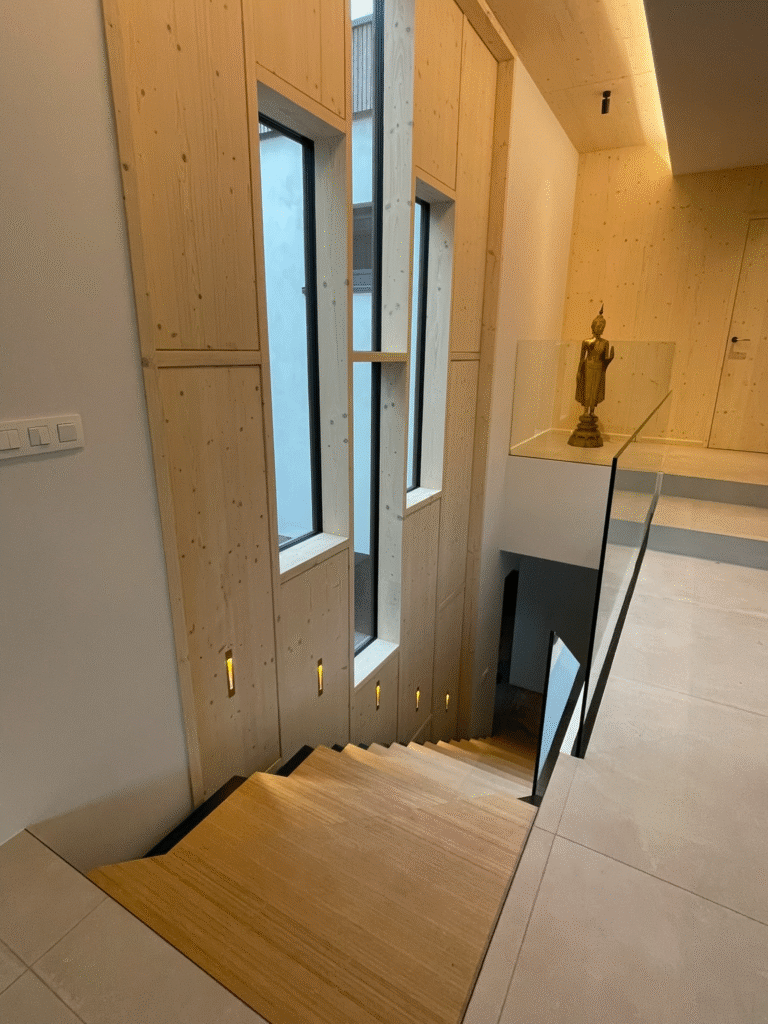
The staircase in a duplex is not simply a circulation element: it is the architectural connection between the two levels, often visible from the living room and the mezzanine. Its lighting must ensure safe movement at all hours, including at night, while contributing to the overall atmosphere of the home.
- Riser-integrated downlights: source built into each step, grazing light directed downward, a refined visual effect
- Landing wall lights: level-by-level wayfinding, atmospheric contribution
- Adjustable spotlights from height: where the double-height ceiling overhangs the staircase, directional lighting from above
- Night-time dimming: standby at 5–10% for nocturnal movement without activating the main circuits
Frequently asked questions
How do you replace sources at height in a duplex without scaffolding?
This is a practical question we factor in from the design stage. We favour very long-life LED sources (50,000 h+) in hard-to-reach areas, and fixtures whose sources can be replaced from above or via a lowering system, depending on the ceiling configuration. A duplex that overlooks this point quickly becomes a maintenance constraint in daily use.
Can lighting across both levels be controlled from a single point?
Yes. A scene panel or centralised home automation system allows the entire home to be managed from the entrance, a living area, or a mobile app. We define scenes around real-life uses, evening, dining, night, leaving home, and wire accordingly from the outset to avoid any rework.
Conclusion
A well-lit duplex feels like a fluid space, where the levels respond to one another rather than simply sitting side by side. That is the result of a holistic design process carried out before conduits are sealed and ceilings are fitted.
For associated residential spaces, see our flat lighting or house lighting pages. To start your project, our personalised visual study is the format suited to two-level homes, or begin with an express advice session for an initial orientation.