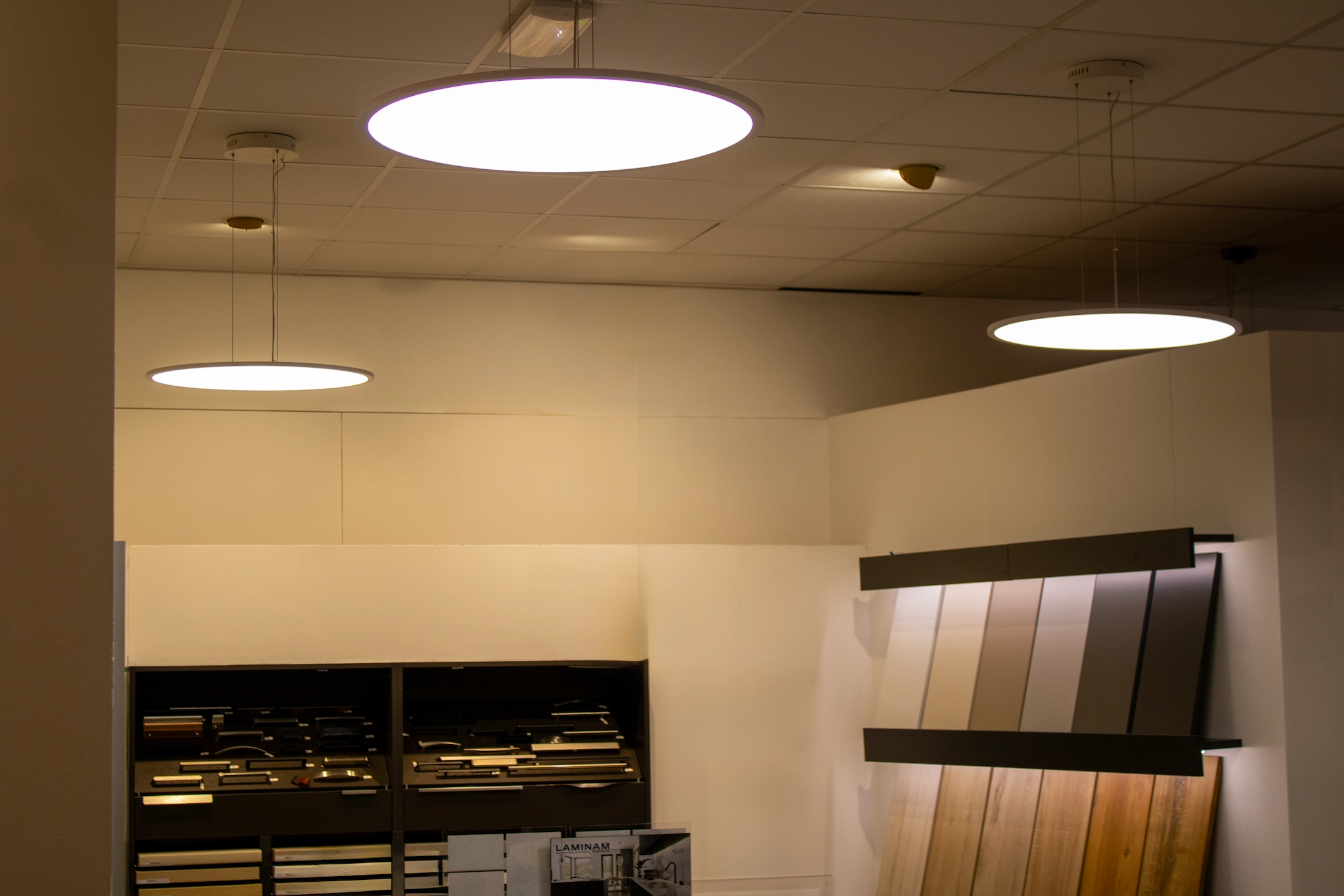
“I didn’t know that your profession existed.” That’s something we often hear at Rodalight. Many clients realise the importance of a lighting specialist too late in their project – when the ceilings have already been fitted, the electrician is waiting for the plans, or the shop is almost finished but the atmosphere isn’t quite what they’d imagined. Yet lighting is not just a finishing touch.
What a lighting specialist actually does
A common misconception is that lighting is simply a matter of choosing attractive light fittings or deciding how many spotlights to install on a ceiling. In reality, a good lighting design begins long before the choice of fixtures is made.
A lighting specialist assesses the venue as a whole:
- room sizes and ceiling heights;
- uses and zones (work, passage, rest, display);
- the materials, colours and textures to be highlighted;
- the desired atmospheres and technical constraints.
Their role is not to replace the electrician, architect or builder. They work alongside them to ensure that lighting choices are consistent, well thought-out and suited to the project – before certain decisions become difficult to rectify.
Why electricians can’t always sort everything out on their own
An electrician is essential: they carry out the installation, comply with technical regulations, and connect and secure the system. However, defining the ambience, the quality of light, the colour temperature or the hierarchy of zones is not necessarily their role.
It’s a bit like in a kitchen: a joiner may well be able to make and fit the fittings, but you still need to have thought through the intended use, the proportions and the finishes beforehand. It’s the same with lighting.
The real risk: deciding on the lighting too late
Most lighting mistakes stem from poor timing. We choose the flooring, the furniture and the colours, and only then do we start thinking about where to place the spotlights. But by that stage, some decisions are already difficult to change.
| Common mistake | Consequence |
|---|---|
| Incorrectly positioned light source | Remains visible for years |
| Incorrectly positioned rail | Visual imbalance in the space |
| The light is too cold | A less welcoming place |
| Incorrectly calculated intensity | Sad or aggressive business practices |
| Poor colour reproduction | Products undervalued despite their quality |
Consulting a lighting specialist at a sufficiently early stage helps to avoid these last-minute adjustments, which are often more expensive and less satisfactory.
In a shop, lighting influences how your products are perceived
A shop may be clean, well-designed and stock good products, yet it will not make the most of its potential if the lighting is uninspiring. Light catches the eye, creates focal points, highlights products and guides the customer’s journey.
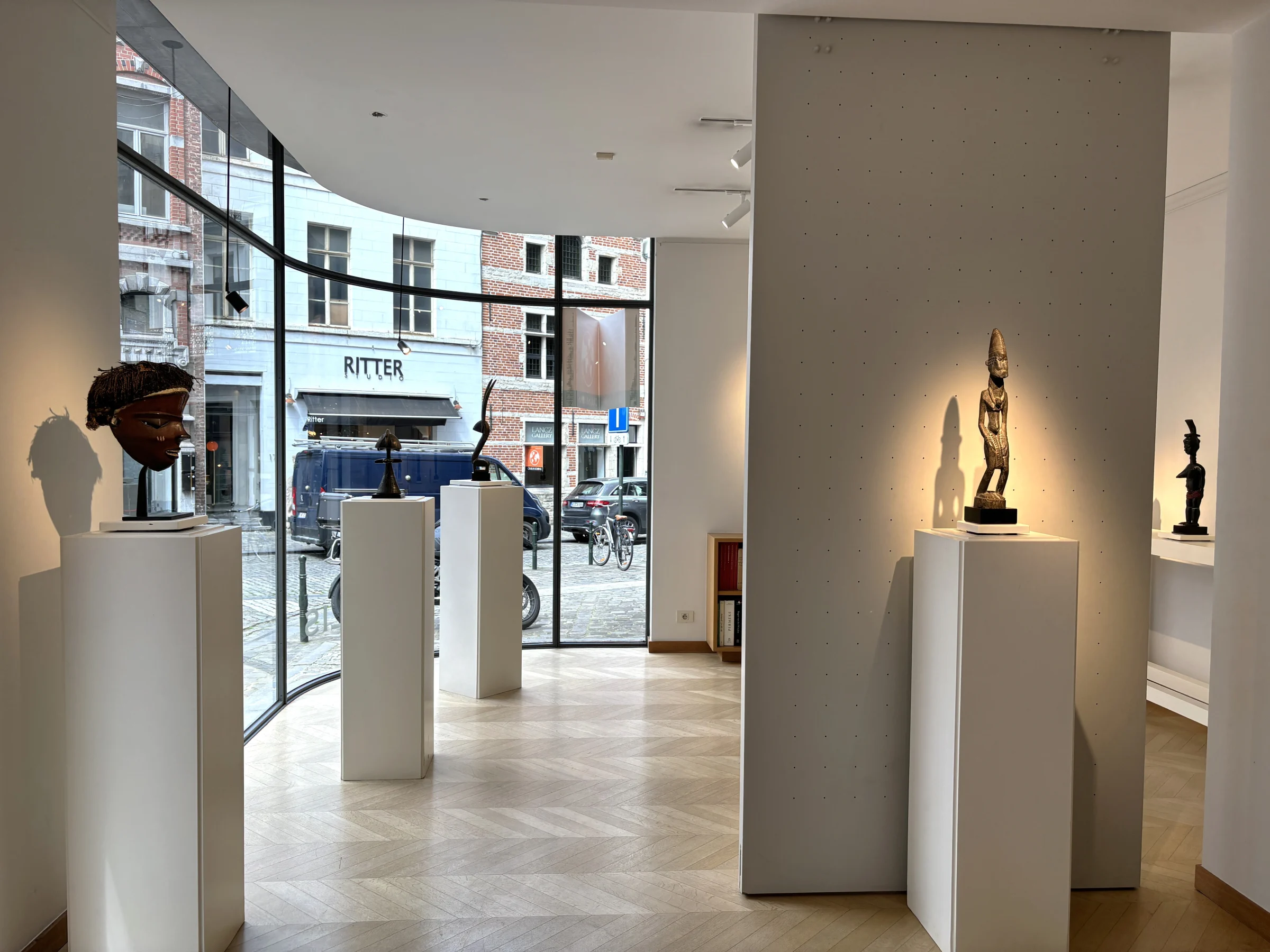
In food shops, this is even more noticeable: meat, fish, bread and cheese do not all look their best under the same lighting. The right solution is not simply to use ‘more light’ – it is to use the right light in the right place.

What Rodalight can actually do for your project
Rodalight supports private individuals, retailers, architects and electricians in planning, selecting and supplying bespoke lighting solutions. Our services may include:
- analysing the project and understanding its uses;
- defining lighting atmospheres and selecting types of luminaires;
- consideration of the positioning and levels of lighting;
- co-ordination with the electrician or contractor;
- the supply of equipment and support right through to implementation.
The aim is not to complicate the project. It is to ensure that the right choices are made, to avoid mistakes and to give the venue the standard of quality it deserves.
When should you contact a lighting specialist?
As early as possible – ideally before the electrical points are permanently fixed in place, before the suspended ceilings are fitted, and before the lighting fittings are ordered. But even in a project that is already well underway, making changes can still make a big difference: correcting the layout, improving a shop window or modernising a shop.
Lighting is often invisible when it’s done well. You don’t necessarily think to yourself, ‘What lovely lighting’ – you simply feel that the space is pleasant, harmonious and flattering. On the other hand, when it’s done badly, you notice it very quickly.
Calling in a lighting specialist doesn’t add another layer of complication. It gives you the means to make the right choices before it’s too late.