An amethyst that looks grey, a diamond that doesn’t sparkle, a moonstone lacking lustre: in shops selling minerals, jewellery or glassware, the problem is rarely down to the product itself. It is almost always down to the lighting. Shiny, translucent or mineral-based materials do not react in the same way as an item of clothing or a book, and standard shop lighting literally makes them look pale.
Shine and sparkle: physics in a nutshell
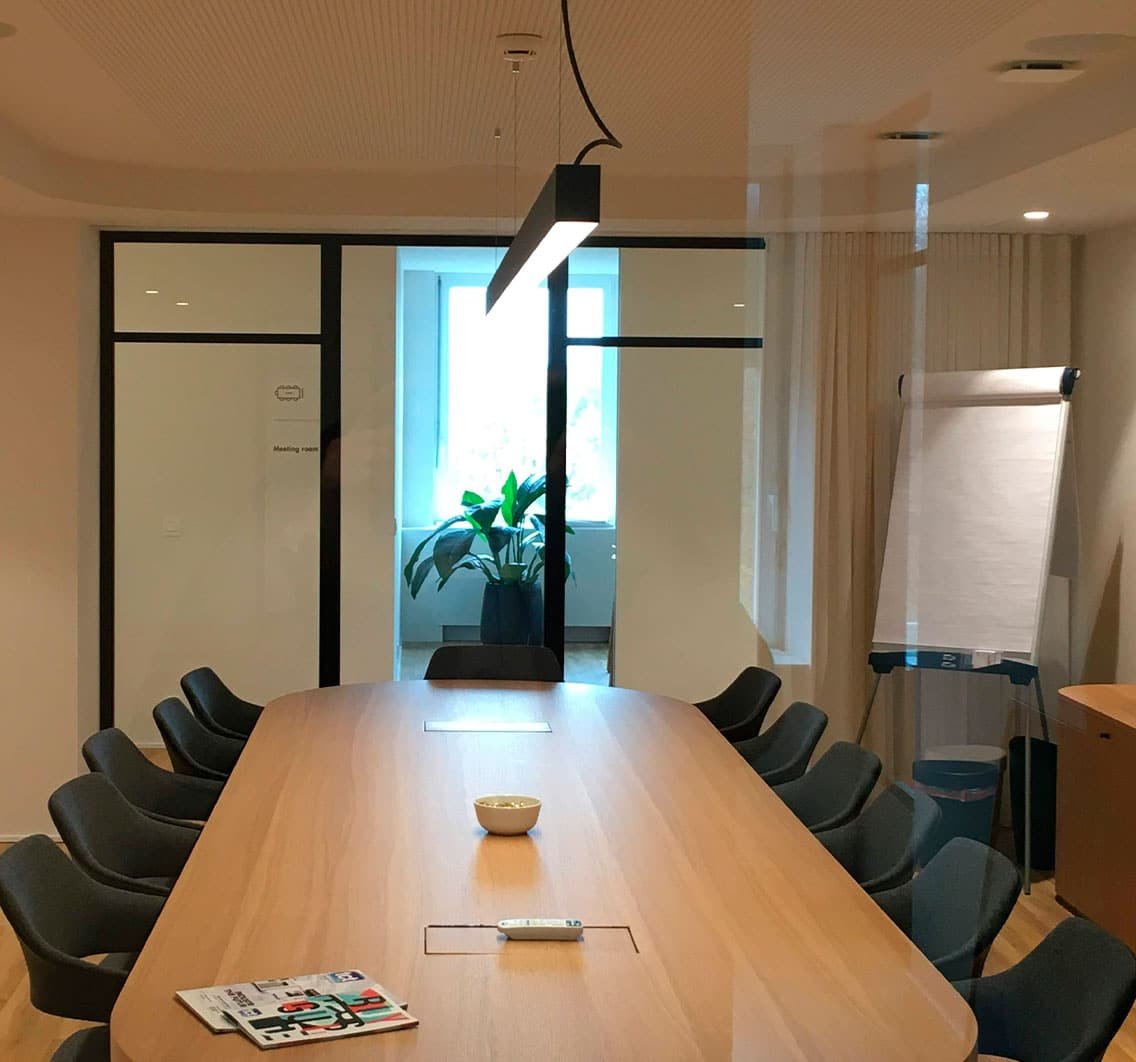
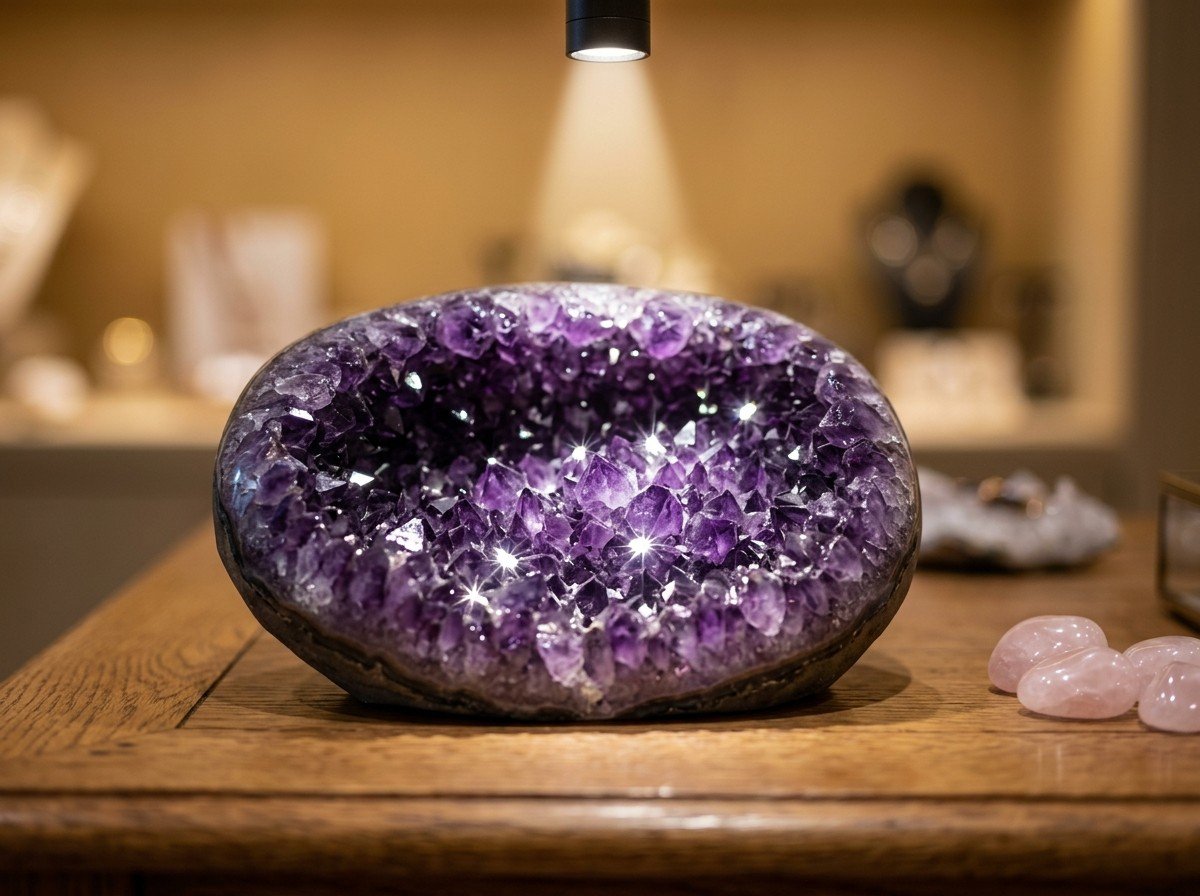
What makes a faceted stone sparkle are its pinpoint reflections. Each facet reflects the image of the light source. If this source is small and sharp, the reflection is vivid and precise. If the source is large and diffuse, such as an LED panel or an illuminated ceiling, the reflection spreads out and the stone looks dull.
That is the great paradox of these spaces: the soft, even light, which is ideal for an office, is the greatest enemy of gloss. On the contrary, what is needed are directional light sources that can be precisely controlled and well-oriented.
The five rules for lighting that make everything shine
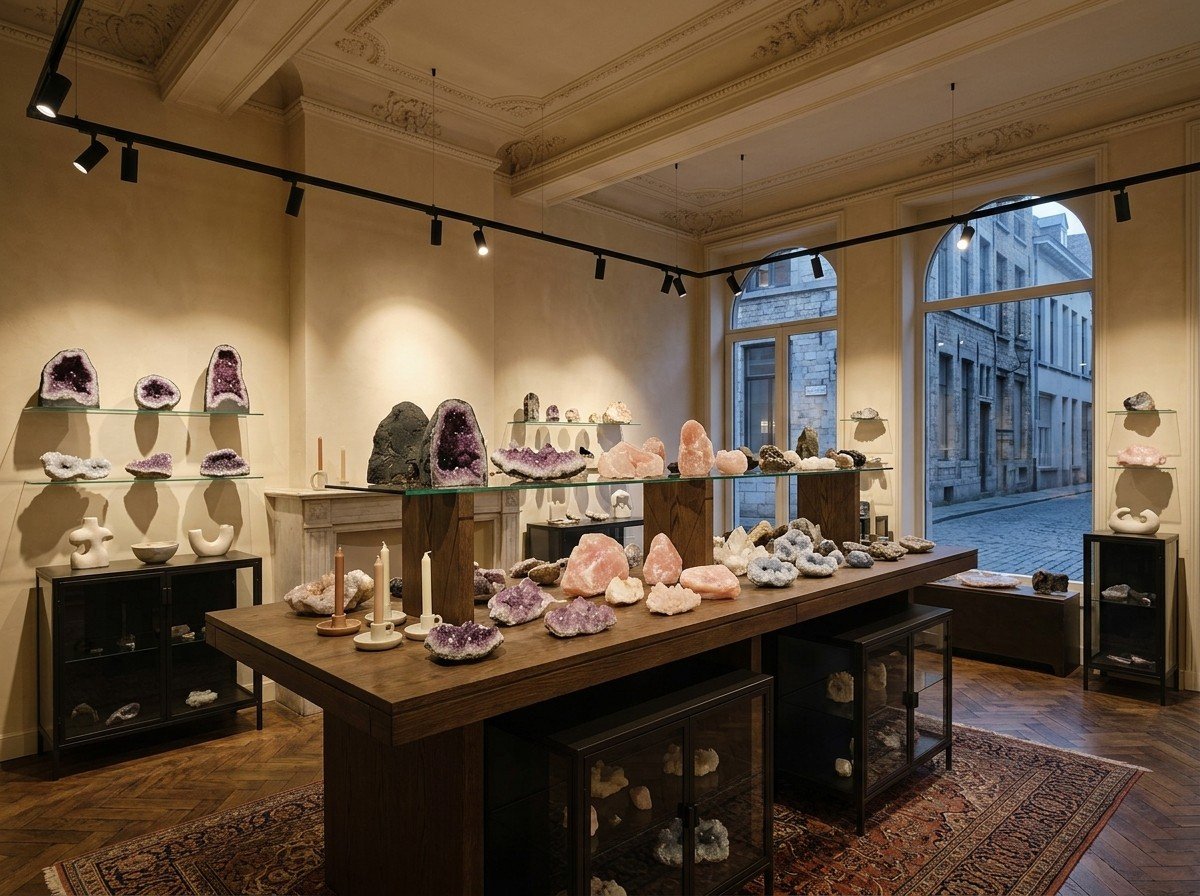
- Small, concentrated light sources: LED spotlights with COB technology and a small beam angle, rather than luminaires with diffuse light distribution.
- Narrow beams: 10° to 24°, depending on the distance, to highlight a display or an eye-catching feature.
- High colour rendering: at least IRC 90, and pay attention to the R9 index, which measures the rendering of red hues – this is essential for rubies, garnets, jasper and carnelian.
- A carefully chosen angle: lighting that falls at an angle of approximately 30° to the vertical emphasises the texture without causing any dazzling reflections to be reflected back towards the customer.
- A deliberate contrast: a background that is darker than the displays creates a sense of depth and draws the eye.
Every material has its own light
| Materials | What we want to reveal | Recommended colour temperature | Type of lighting |
|---|---|---|---|
| Diamonds, silver, platinum | Fire, brilliance, whiteness | 4,000K to 5,000K | Spotlights with a concentrated beam, narrow beam |
| Yellow gold, amber, warm-coloured stones | Warmth and depth of colour | 3000K | Adjustable spotlights, IRC 90+ |
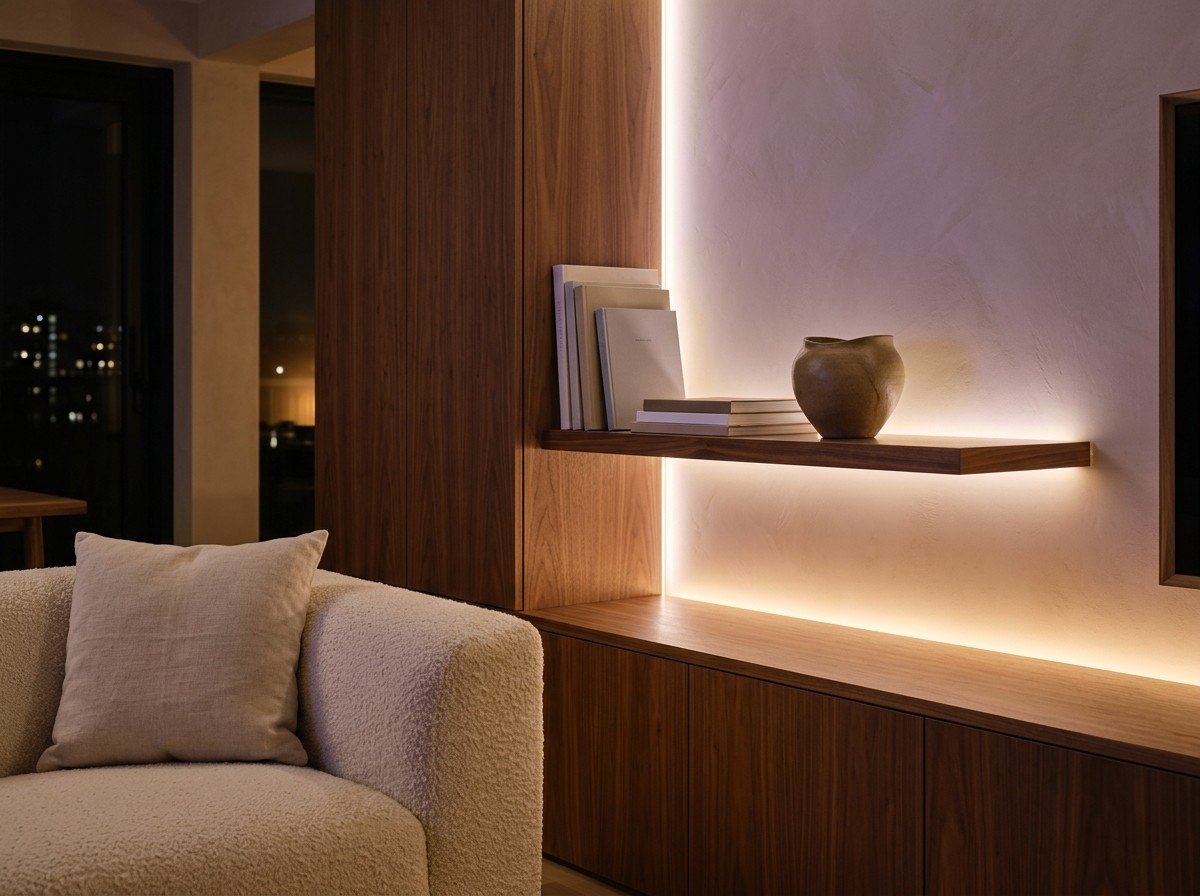
| Quartz, amethyst, translucent crystals | Transparency, inclusions, internal colour | 3000K to 4000K | Lighting from the side or from below |
| Opaque stones, tumbled stones | Colour rendering, surface texture | 3000K to 3500K | Soft, oblique light, high CRI |
| Glass, crystal, resin objects | Reflections and lines of light | 3000K to 4000K | Backlighting or side lighting |
These values serve as a starting point. In a shop where jewellery and minerals are displayed together, the trick is often to find a specific temperature that shows the collection to its best advantage, and then to play with the beams of light rather than with the shades.
The case of the glass shelves
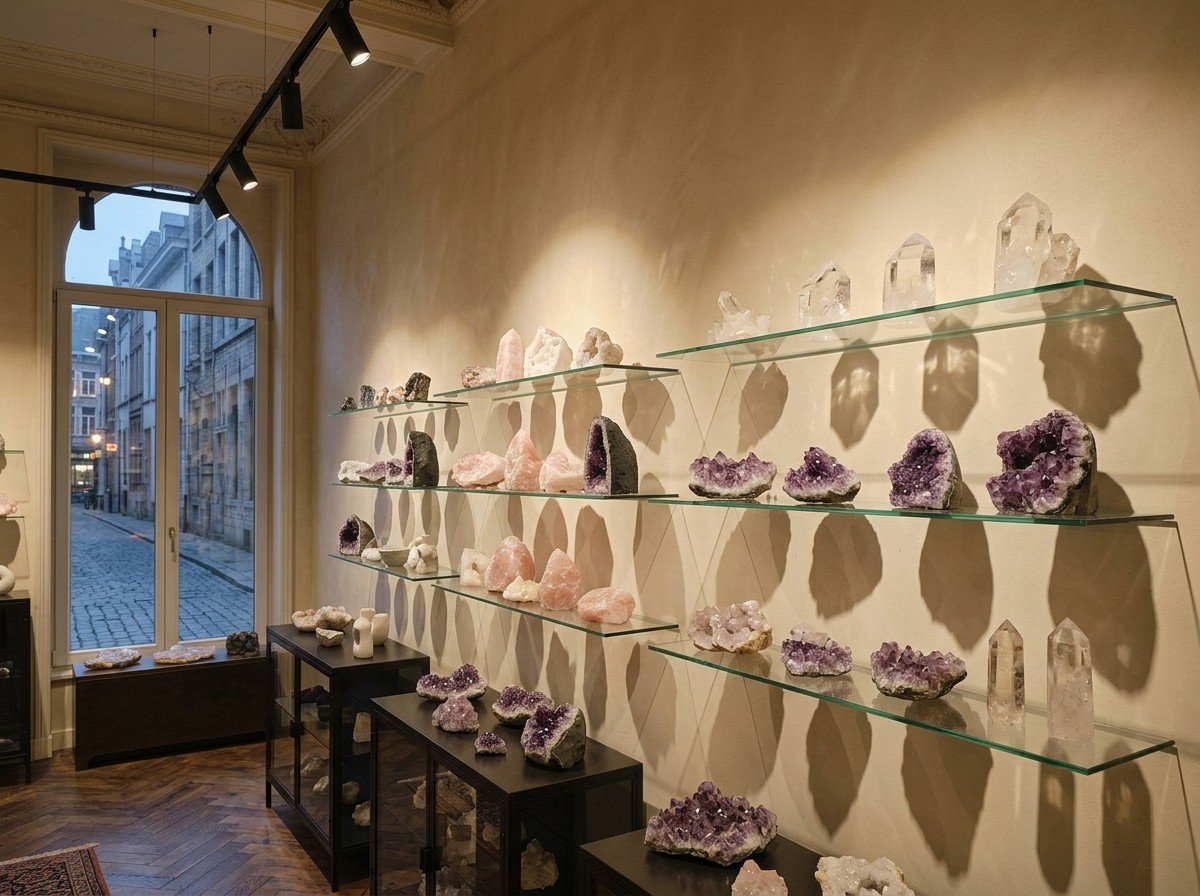
Glass shelves are often used to display stones, candles or small objects and allow light to pass through to the floor. This is an advantage: a well-aimed spotlight illuminates several levels at once and creates a play of shadows on the back wall. However, this can also be a pitfall, because if the same spotlight is positioned incorrectly, it causes dazzling reflections on the edge of the glass. The direction must be adjusted individually for each shelf, hence the advantage of adjustable spotlights on a rail.
The LED: a real asset for sensitive materials
The old halogen lamps heated up the display cases and emitted UV radiation, which is harmful to certain gemstones and to organic materials such as amber or pearls. High-quality LEDs emit virtually no UV radiation or heat towards the illuminated object, meaning the lights can be positioned closer to the object without any risk.
Conclusion
Making a gemstone or a piece of jewellery sparkle is not a question of power, but of precision: point sources, controlled light beams and impeccable colour rendering. This is the approach Rodalight takes in jewellers’ shops, specialist retailers and art galleries, such as the natural stone shop Luma Création in Waterloo. To take a closer look at your own space, our Express consultation is a good place to start.