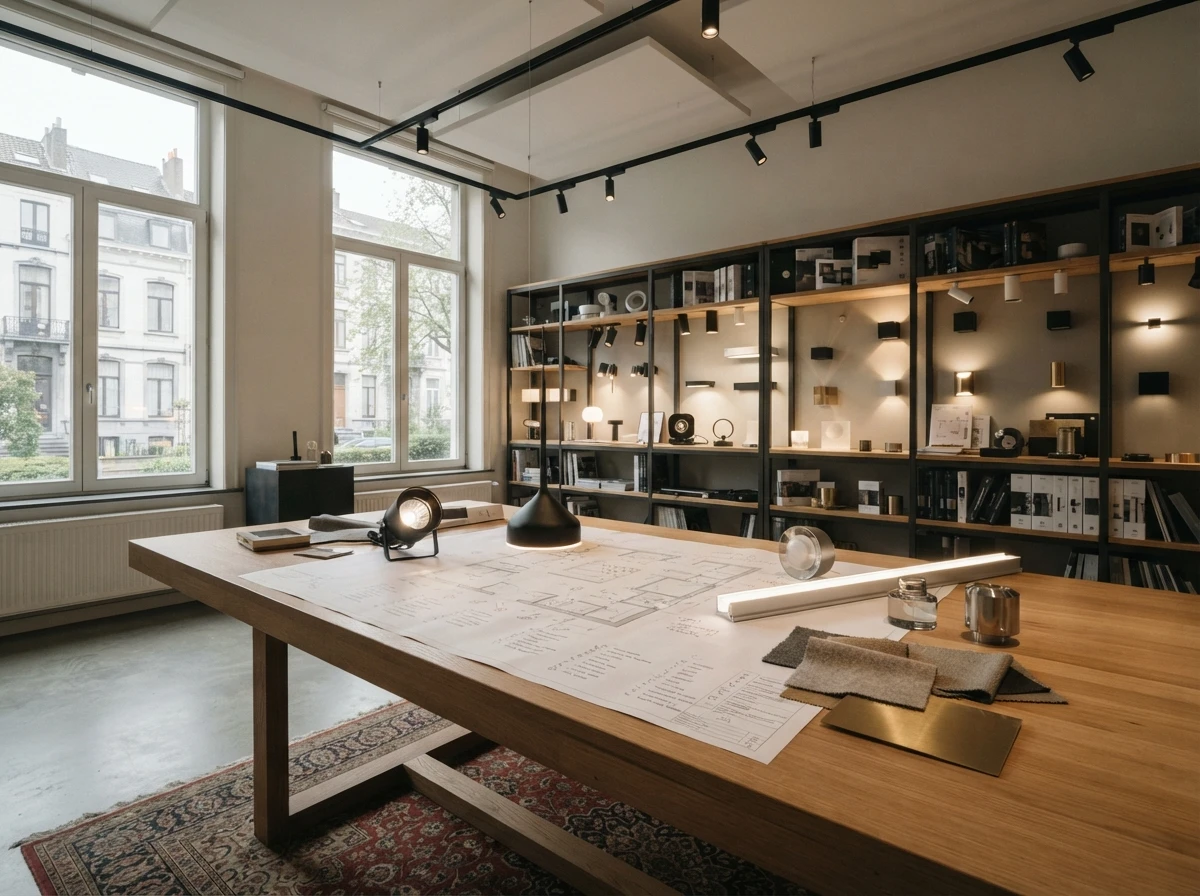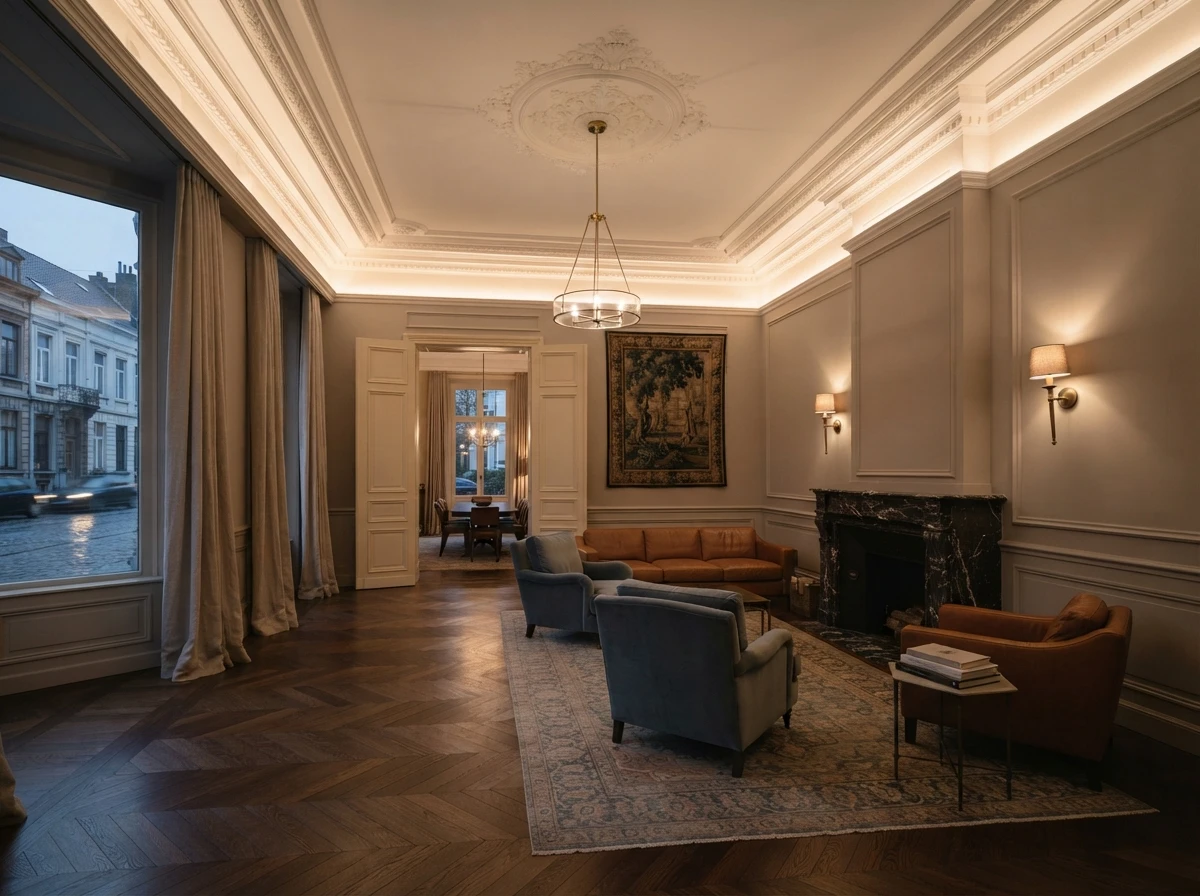
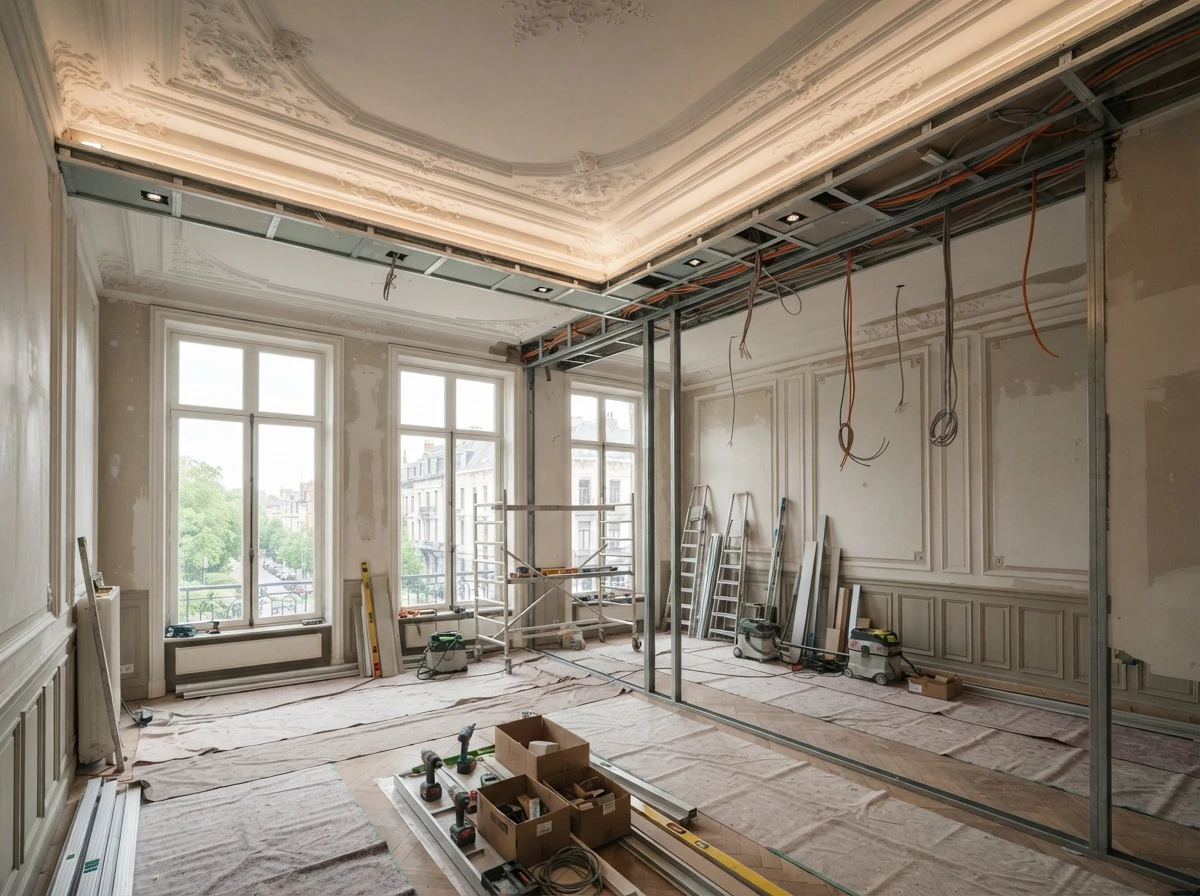
In a renovation, lighting is often the last topic on the list, and that is exactly the problem. Once the ceilings are plastered and the walls painted, every badly placed light point costs a new chase, a plaster repair and another coat of paint. Thinking about light at the right time costs almost nothing. Correcting it afterwards always costs more than planned.
The golden rule: decide before the electrician arrives
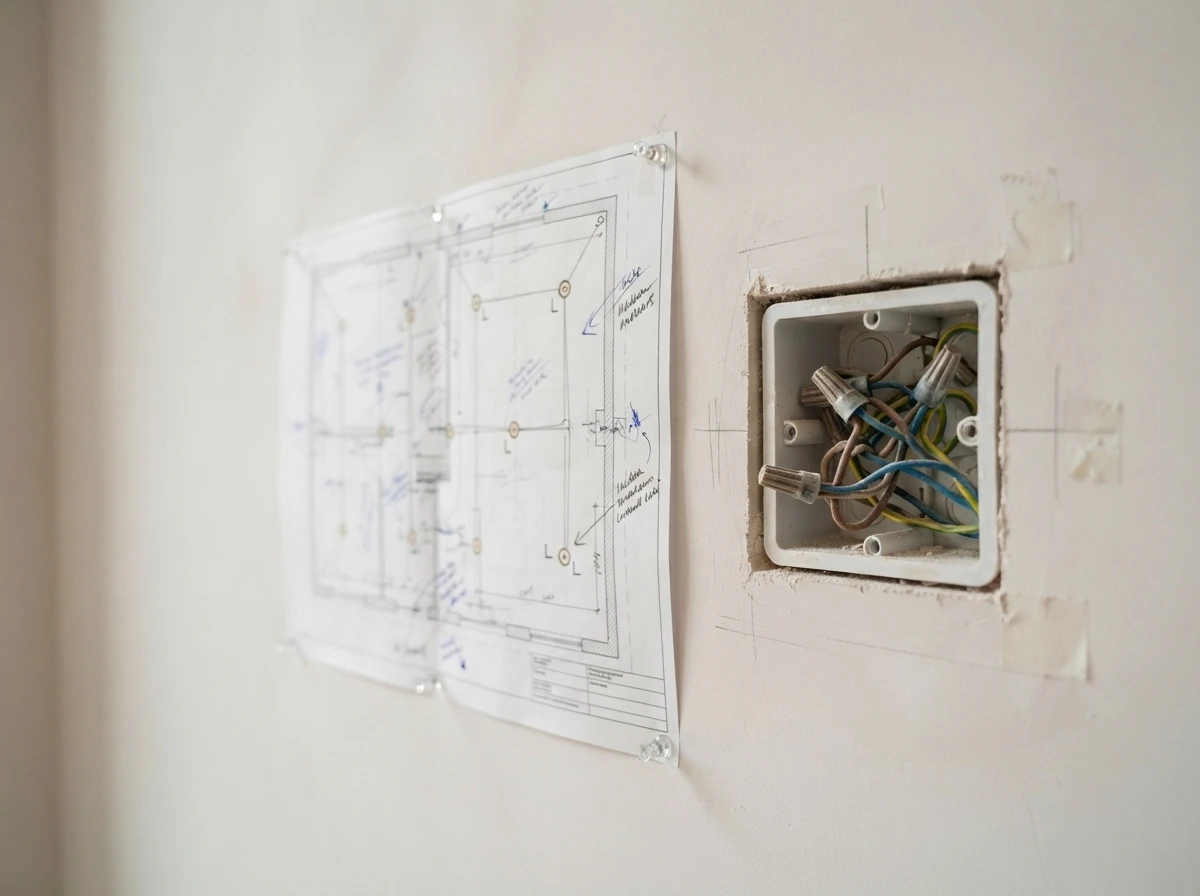
Where the light goes depends on the layout. You need to know where the sofa, the table, the kitchen island or the bed will be to know where the light should fall. That is why the lighting plan must be ready before the conduits are laid, right after the layout plan is approved. Later on, you are no longer designing light, you are adapting to whatever has been wired.
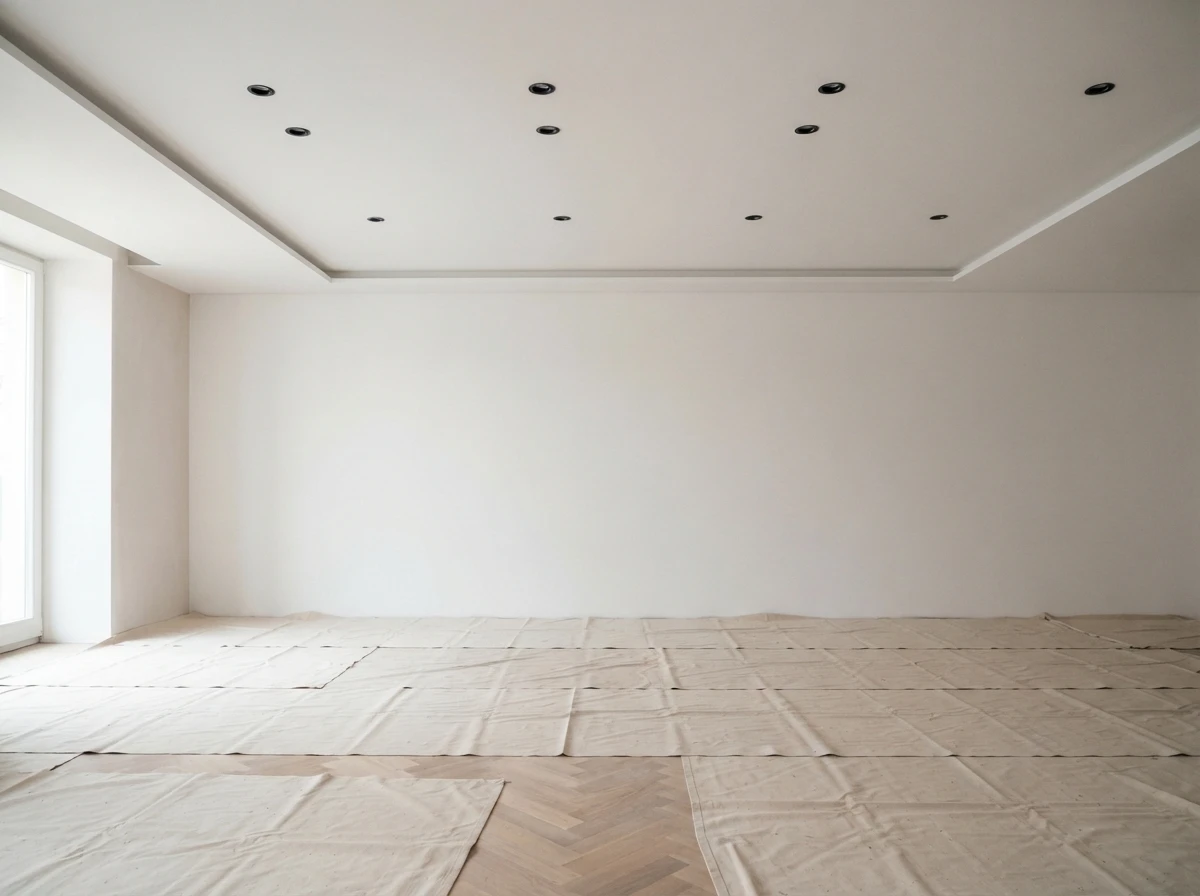
What to plan before everything is closed up
| Element | Why plan it early | If you forget it |
|---|---|---|
| Position of light points | They follow furniture and uses, not a regular grid | Spotlights above empty space, table left in shadow |
| Depth of the suspended ceiling | Recessed spotlights and their drivers need a minimum height | Fittings cannot be recessed, limited choice |
| Coves and recesses for LED profiles | Indirect lighting is shaped in the plasterwork, not afterwards | Surface-mounted profiles, a makeshift result |
| Power supplies and drivers | They must remain accessible for maintenance | Ceiling opened at the first replacement |
| Switches and circuits | Each atmosphere must be switchable separately | Everything comes on at once, no atmosphere possible |
| Switched sockets | Control floor and table lamps from the room switch | Going round every lamp each evening |
| Spare conduits | Allow for future changes: pendant, home automation, outdoor lighting | New chasing for every new idea |
Points to watch in a renovation
Insulation and recessed spotlights
When a ceiling under the roof is insulated, every recessed spotlight creates a thermal bridge and must be suitable for contact with insulation. Suitable protective covers or fittings designed for this use prevent both heat loss and the risk of overheating.
Dimming
A dimmer does not work with every LED source. Fittings, drivers and dimmers must be chosen together, otherwise you risk flicker or a very narrow dimming range. If you are considering more advanced control, a control cable such as DALI must be planned when the wiring is done. Our article on DALI drivers explains the principle.
Electrical compliance
In Belgium, a new or substantially modified electrical installation must be inspected by an approved body under the RGIE, the national electrical regulations. One more reason to finalise the lighting plan before the works: the inspected installation must match what will actually be fitted.
Room by room: the questions to ask
- Living room : where will the sofa, the table, the artworks or the bookcase to highlight be? Which atmospheres do you want in the evening?
- Kitchen : is the worktop lit without shadows? Is under-cabinet lighting included in the kitchen designer’s plans?
- Bedroom : reading lights on each side of the bed, switching from the bed, no visible light source when lying down.
- Bathroom : mirror lighting from the front to avoid shadows on the face, fittings suited to each moisture zone.
- Corridors and stairs : soft guidance lighting at night, presence detection, switching at both ends.
For the basics of good home lighting, see also our article on well-thought-out home lighting.
The ideal schedule
- Layout plans approved : the position of the furniture is known.
- Lighting plan : light points, circuits, controls, recesses.
- Electrician on site : wiring follows the plan, with no guesswork.
- Plastering : coves and recesses are built in.
- Painting, then fitting the luminaires, followed by final adjustments.
Conclusion
In a renovation, the right question is not “which fittings should I choose?”, but “where and how should the light arrive?”. Answering it before the electrician arrives avoids costly corrections and keeps options open that disappear once the ceilings are closed. To visualise the result before the works, our visual study lets you validate a direction based on your plans. And if you simply want a quick opinion, an Express Advice session is often enough to avoid the most common mistakes. Discover also our approach to house lighting.