SMD LEDs (Surface-Mounted Diodes): flexibility and beam control
SMD LEDs are individual diodes mounted directly onto a printed circuit board. Their modular design allows several small light sources to be arranged in a variety of configurations, offering great design flexibility.
Key benefits:
- Improved heat dissipation at module level;
- High design flexibility (various beam angles and configurations);
- Cost-effective for large-scale production;
- Modular light fittings make maintenance and replacement easier.
SMDs are widely used in street lighting, LED signs, floodlights and high-bay industrial lighting – wherever controlled beam distribution is required.
COB LED (Chip on Board): brightness and uniformity
COB technology integrates several LED chips directly onto a single substrate, forming a single light-emitting surface. The result is a more concentrated, more uniform and visually cleaner light source.
Key benefits:
- High light density (brighter and more concentrated output);
- Even, soft light that is easy on the eyes;
- Reduced multi-shadow effect;
- Ideal for compact, high-current applications.
COB is the technology of choice for spotlights, downlights and high-luminous-flux applications where powerful, focused lighting is required, such as in jewellery displays, art galleries or showrooms.
SMD vs COB: what is the fundamental difference?
The simplest way to understand the distinction:
| Technology | Principle | Key strength |
|---|---|---|
| SMD | Several controllable light points | Flexibility + beam distribution |
| COB | A single powerful light source | Intensity + uniformity |
The choice between SMD and COB does not depend on which is ‘better’; it depends on what the application requires: beam control, energy efficiency, thermal management or visual comfort.
Which technology for which purpose?
| Application | Recommended technology | Why |
|---|---|---|
| Street lighting / industrial lighting | SMD | Wide distribution, heat dissipation |
| LED panels / ceiling lights | SMD | Even lighting over a large area |
| Commercial adverts | COB | Concentrated beam, colour rendering |
| Residential downlights | COB | Soft light, without multiple shadows |
| Jewellery shop / art gallery | COB IRC 95+ | Brightness + accurate colour rendering |
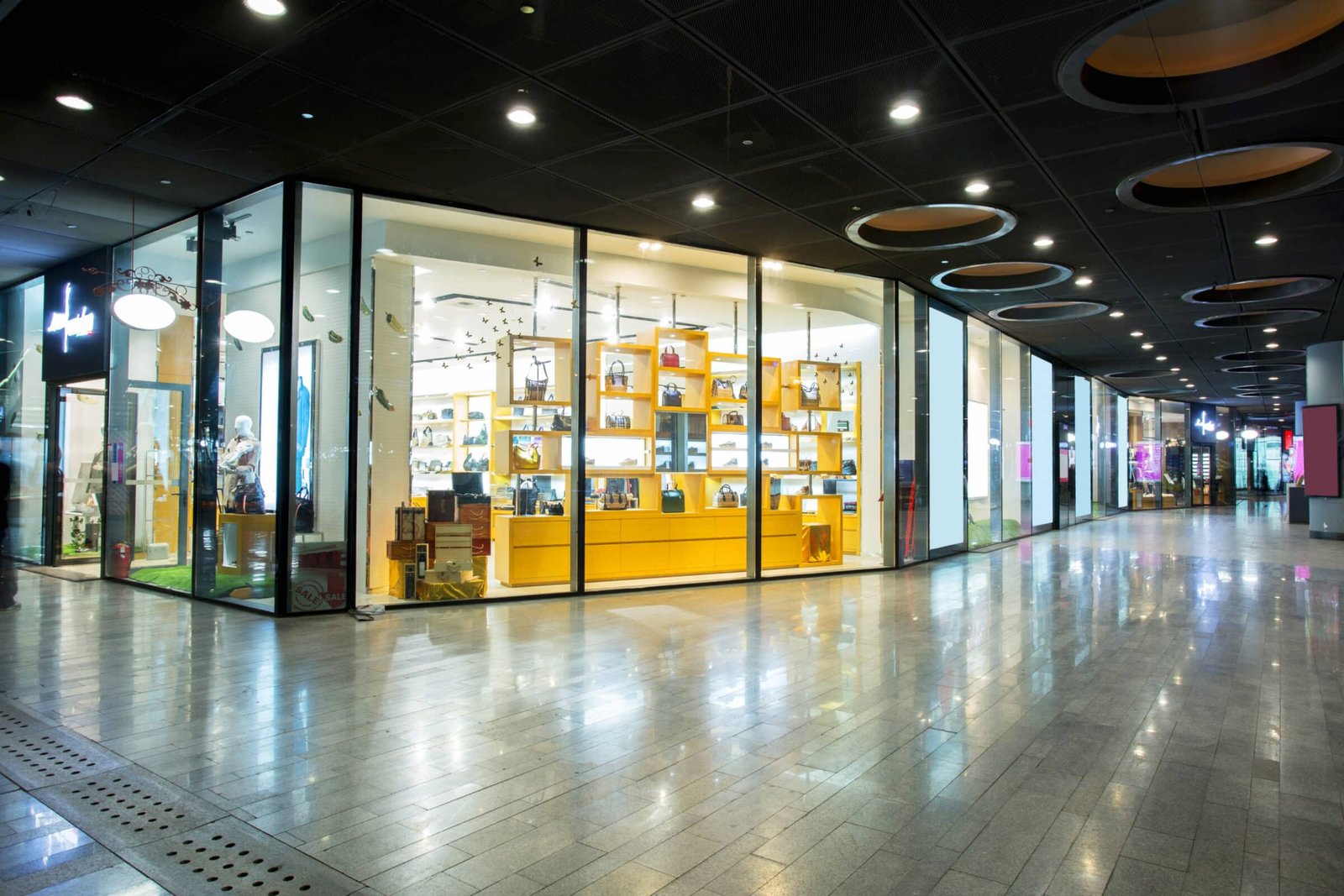
| Showroom / display window | COB or SMD, depending on the area | A combination of emphasis and atmosphere |
And in practice?
In modern lighting engineering, SMD and COB technologies continue to evolve, and in many projects, the two technologies are combined to achieve optimal performance. A showroom will typically use COBs for accent lighting on products and SMDs for general background lighting.
At Rodalight, the choice of technology is an integral part of the lighting design process: every area, every use and every atmosphere deserves the right light source – not a one-size-fits-all solution applied everywhere.