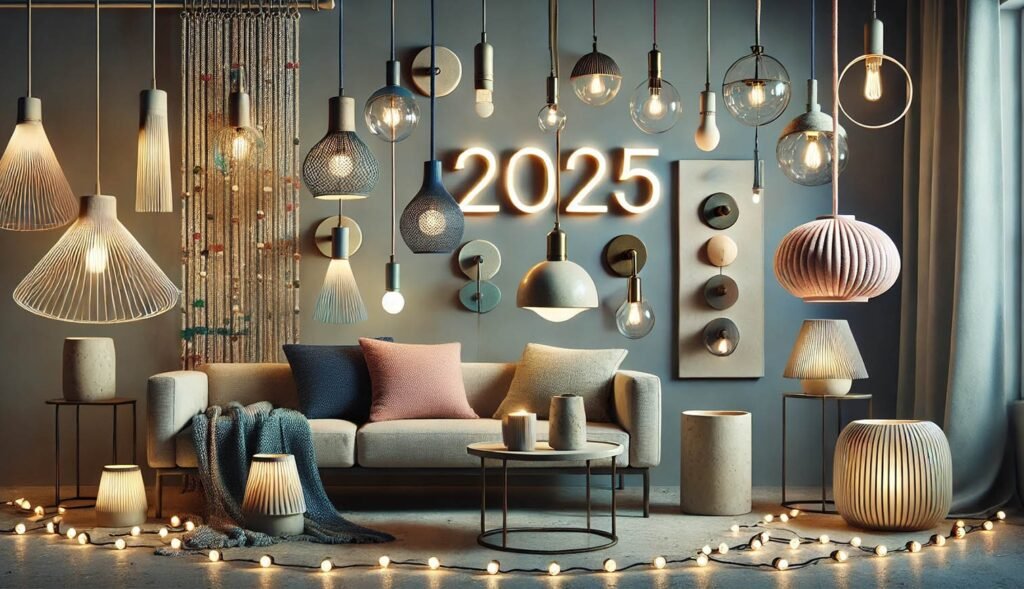
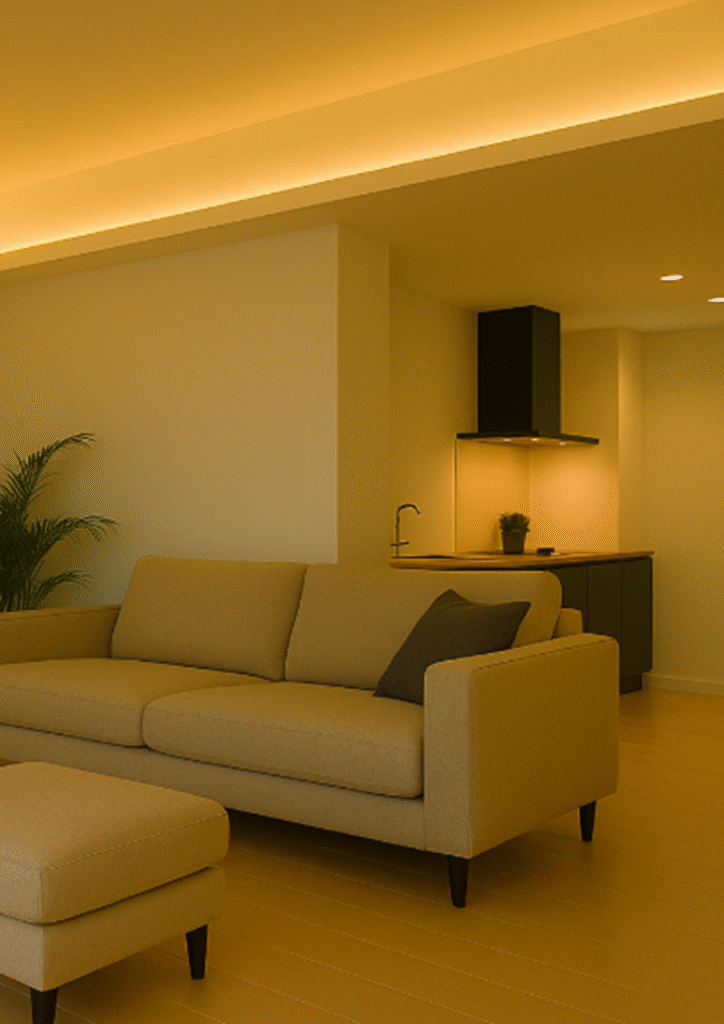
Professional lighting is evolving rapidly, and 2025 looks set to be a key year for linear and sustainable solutions. Whether for offices, commercial or industrial spaces, decision-makers are looking to combine energy performance, visual comfort and elegant design.
In this article, we explore the major trends shaping the sustainable linear lighting market, and how they can transform your projects.
Linear lighting: a modular and aesthetic solution
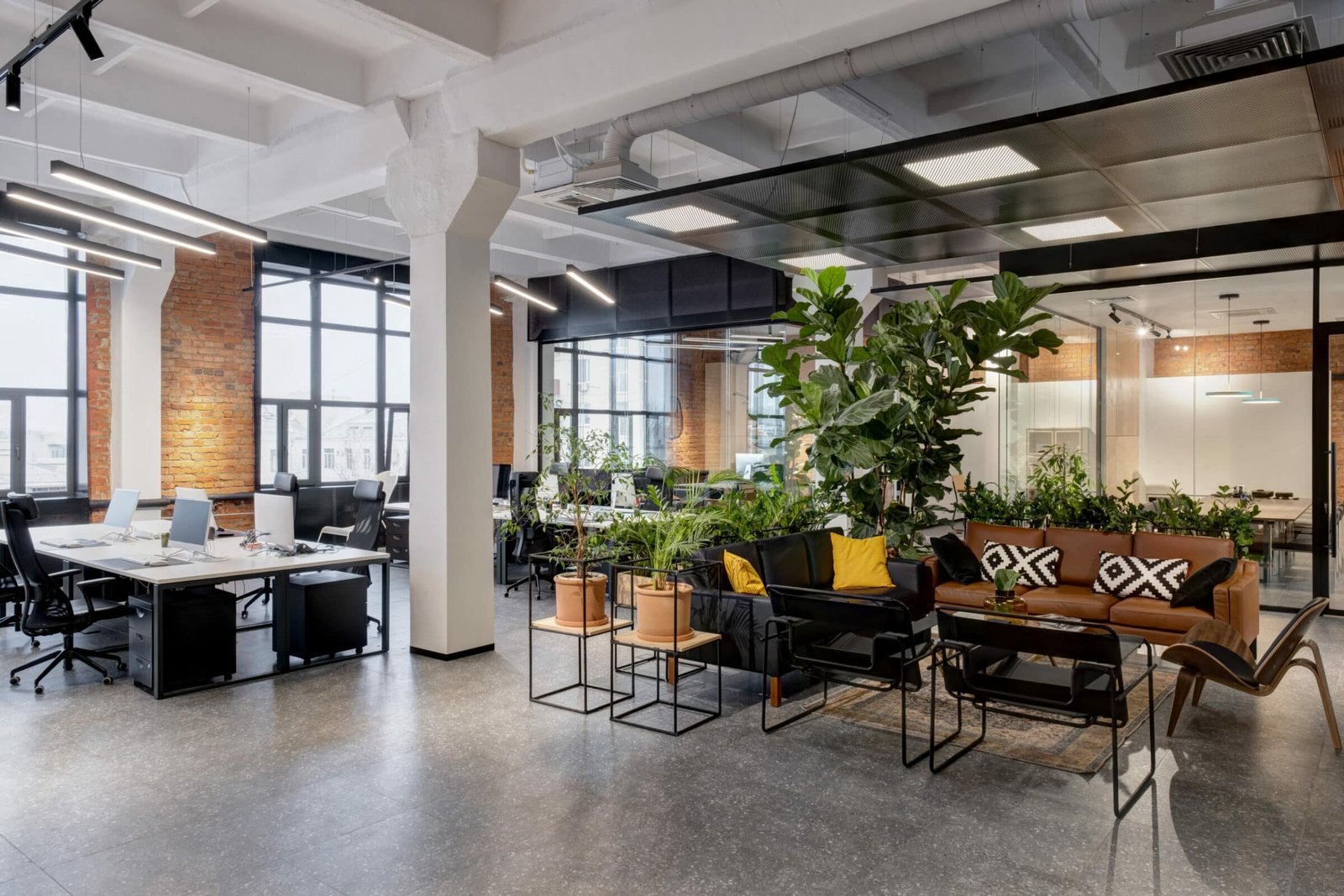
Linear luminaires continue to win over professionals thanks to their modularity and luminous efficiency. Available in suspended, recessed or surface-mounted configurations, they can be used to :
- Create uniform lighting over large areas.
- Adapt the length and layout to suit the architecture.
- Offering a minimalist, modern design in harmony with contemporary spaces.
Manufacturers now offer connectable modules, providing perfect continuity and easy integration into architectural projects.
Sustainability and energy efficiency: the winning combination
In 2025, sustainability is no longer an optional choice but a central criterion. The new generations of linear luminaires use low-energy LEDs, recyclable materials and intelligent management systems:
- Reduced consumption: up to 50% compared with conventional solutions.
- Longer life: modern linear LEDs last over 50,000 hours.
- Optimised maintenance: easily replaceable modules compatible with home automation.
These features not only help to reduce the carbon footprint, but also deliver significant savings over the long term.
Connected lighting: personalisation and control
The integration of connected solutions has become a must. Linear systems can now :
- Adjust the temperature and light intensity according to the time of day.
- Remote control via applications or centralised platforms.
- Contribute to a better quality of life at work, by reducing visual fatigue and optimising lighting comfort.
This intelligent approach combines energy efficiency and user experience, two key elements for modern professional spaces.
Design and flexibility: aesthetics at the service of functionality
In 2025, linear lighting will no longer be limited to performance: design will become a differentiating criterion. Architects and designers are focusing on :
- Clean, unobtrusive lines that blend in perfectly with suspended ceilings or niches.
- Modular solutions for creating tailor-made lighting effects.
- The ability to combine direct and indirect lighting for optimum visual impact.
In this way, luminaires become a genuine design element, while retaining their functional role.
Trends to follow for your 2025 projects
To stay at the forefront of sustainable linear lighting in 2025, we recommend :
- Prioritise high-efficiency, low-powerlinear LEDs.
- Opt for connected modules that can be easily integrated into your home automation systems.
- Think about ergonomics and visual comfort, especially in offices and commercial spaces.
- Combining design and sustainability, for solutions that are both aesthetically pleasing and responsible.
Conclusion
Sustainable linear lighting is no longer an isolated trend: it’s a quality standard for professional spaces. By combining modularity, energy efficiency, connectivity and design, these solutions offer functional and responsible lighting, perfectly suited to the requirements of 2025.
At Rodalight, we support our customers in the design and integration of sustainable linear solutions, tailored to each project. The key: innovation, performance and respect for the environment.