Attract customers
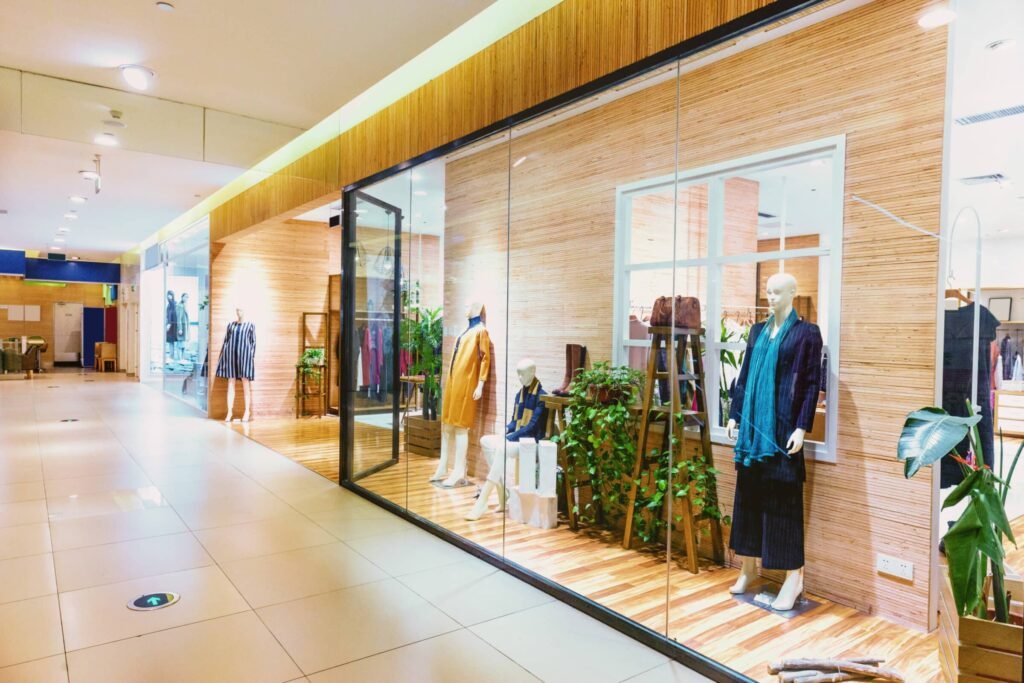
Your shop window is the primary means of communicating with your (potential) customers. As passers-by stroll past, many factors come into play in their choice of whether or not to linger. Some of these factors are unconscious. Lighting is one of them.
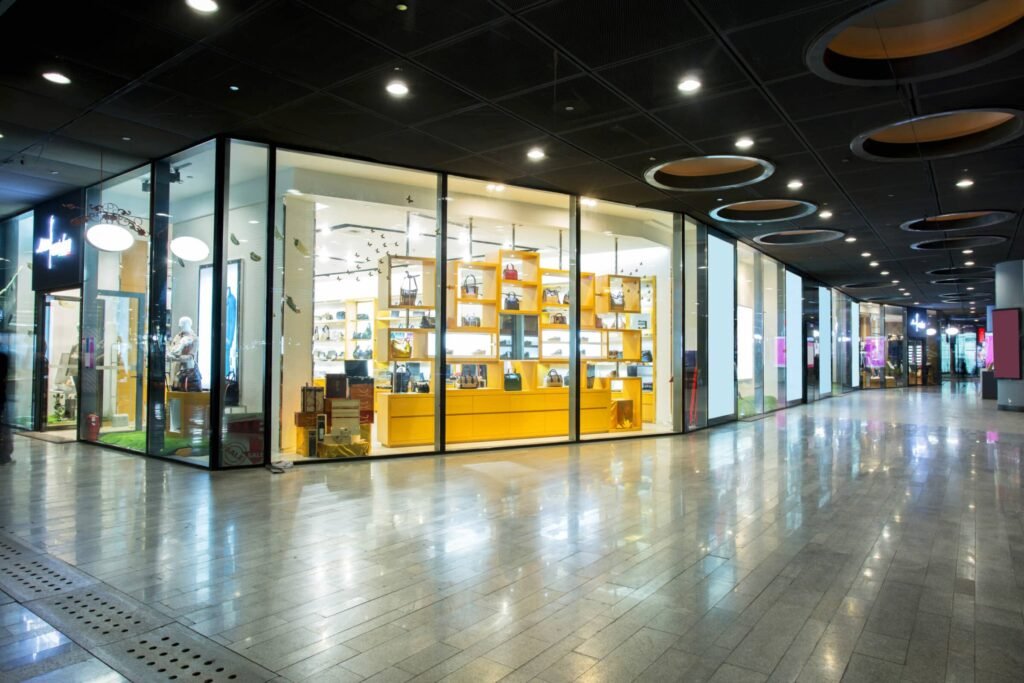
A well-lit shop window and facade are essential for attracting passers-by. However, it’s not by overloading your shop front with lights that it will look well lit. It may seem paradoxical, but it’s actually quite simple. You need to prioritise the quality of your lighting over quantity. A track with four LED spotlights will be more effective than five yellow incandescent bulbs, for example.
The right lighting for your business
Your shop window should express the atmosphere of your shop. It’s part of its identity. Its lighting must be well thought out and optimally adjusted to highlight your products.
A butcher’s, hairdresser’s or clothes shop will have different needs to a florist, for example. Each business has its own specific requirements in terms of the products it sells. The choice of lighting for their shop window cannot therefore be the same.
There are a number of concepts that need to be mastered if lighting is to be effective: luminous intensity, colour temperature, bulb spacing, etc. By calling on a professional who is an expert in commercial lighting solutions, you are putting all the chances on your side to stand out from the crowd. What’s more, you can be sure of respecting the codes specific to each commercial activity, thanks to their knowledge.
Types of lighting to use
The layout and decoration of a shop window are not fixed. They can change depending on the time of year, new arrivals, sales and so on. But the aim is always the same: to make your products the centre of attention, the stars of the show!
There’s a whole range of lighting options for displaying them: wall lights, chandeliers, spotlights, LED panels, etc. And each one has a different function. And each has a different function.
Localised lighting
The current trend is towards track systems. These are fixed to the ceiling or suspended on steel cables. Spotlights are then fitted, offering great flexibility because they can be adjusted. You can use different types of spotlight to combine diffused and concentrated light. This creates a complete lighting system.
Accent lighting
Do you want to highlight a product or a unique decorative element? You could install a spotlight on the floor to illuminate a pair of shoes or a pretty pot of flowers.
Which bulbs to choose?
There are a number of factors to consider when choosing light bulbs. Firstly, we strongly advise you to stop using incandescent, fluorescent or halogen bulbs. Instead, opt for LED bulbs, which last longer and consume less energy.
The colour rendering index
The colour rendering index (CRI) must also be taken into account when making your choice. This index indicates the percentage by which colours will be faithfully reproduced.
The CRI ranges from 1 to 100. A colour rendering index of 95 (CRI 95) means that 95% of colours will be faithfully reproduced. A CRI of 100 corresponds to natural daylight.
To further improve the quality of the lighting we offer our customers, Rodalight only works with materials with a CRI of over 90. This means that our lighting is simply top-of-the-range.
It’s worth pointing out that, for Rodalight, using top-of-the-range components will not result in any price increase on the hardware. The result will simply be a much better customer experience and much more beautiful colour rendering on everything that is illuminated.
Colour temperature
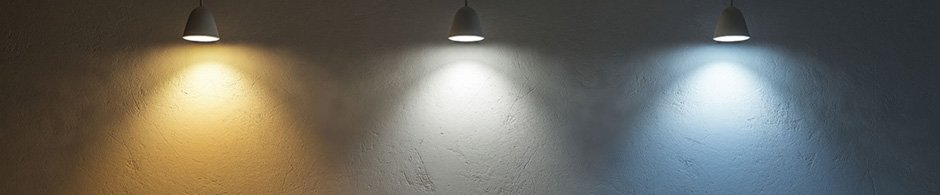
Secondly, colour temperature is important and very subjective. Some people prefer a very bright white, while others prefer a warmer, less intense white. You can ask a lighting expert to guide you and show you samples. This will enable you to see the differences in colour and make the best choice.
Why call in an expert?
Askinga professional to study your project can be expensive. However, good shop lighting is an art! There are precise techniques for achieving optimum lighting.
All the advice and choices you make are validated by a computer programme that calculates the lighting level. It calculates the number of spotlights to use so that your window display and your entire shop are not under-lit or over-lit. This highly sophisticated tool also calculates the spacing required between each spotlight.